by admin | Events
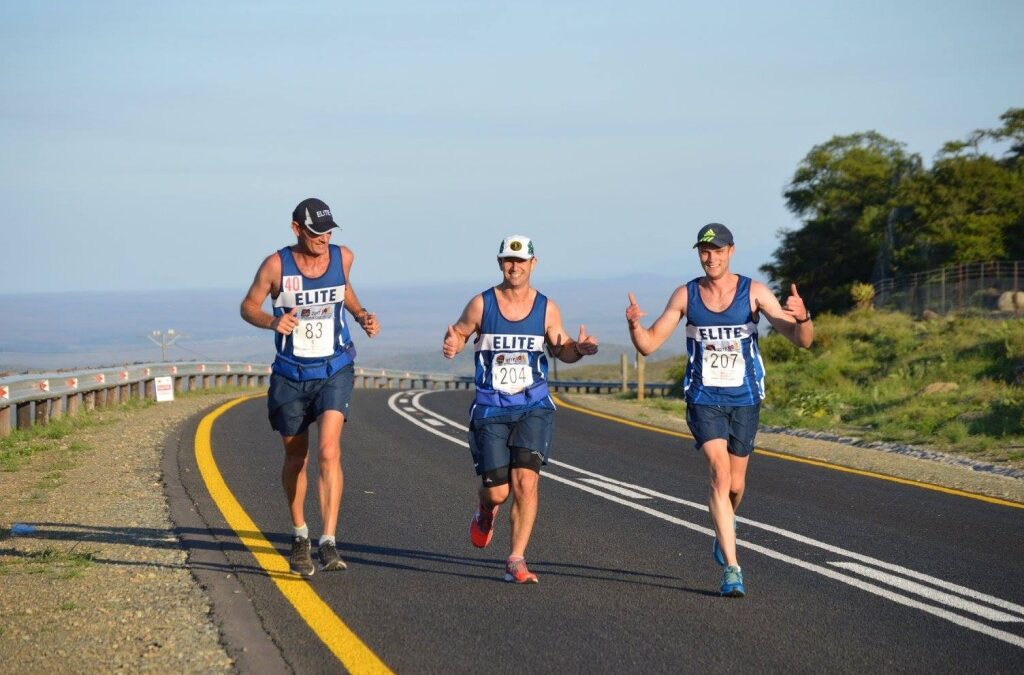
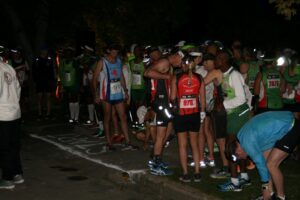
Run through the majestic Karoo in Graaff-Reinet. Experience an unforgettable marathon set in one of South Africa’s most picturesque regions.
Get ready to take on the Karoo with distances for every kind of runner! Whether you’re chasing a personal best or just in it for the experience, we’ve got a challenge for you:
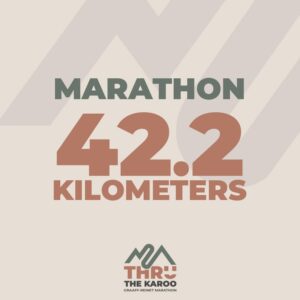
Marathon – 42.2km
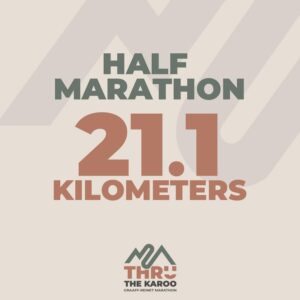
Half Marathon – 21.1km
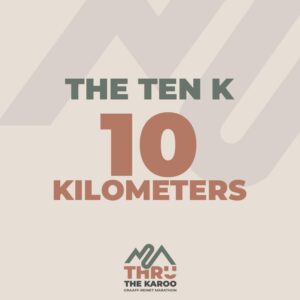
The Ten K – 10km
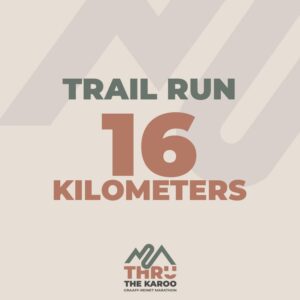
Trail Run – 16km
The Montego Karoo Marathon route is built for speed. With a rapid drop in elevation, runners can take advantage of long, flowing downhill stretches that naturally boost pace and momentum. Less climbing, more cruising, and the perfect setup to chase a personal best.
If you’re looking for a course where gravity works with you, this is it.
Fast legs. Fast times. The Karoo delivers.
Thru The Karoo is officially approved as a qualifying race for both the Two Oceans Marathon and the Comrades Marathon!
Annually – February
by admin | Karoo Legends
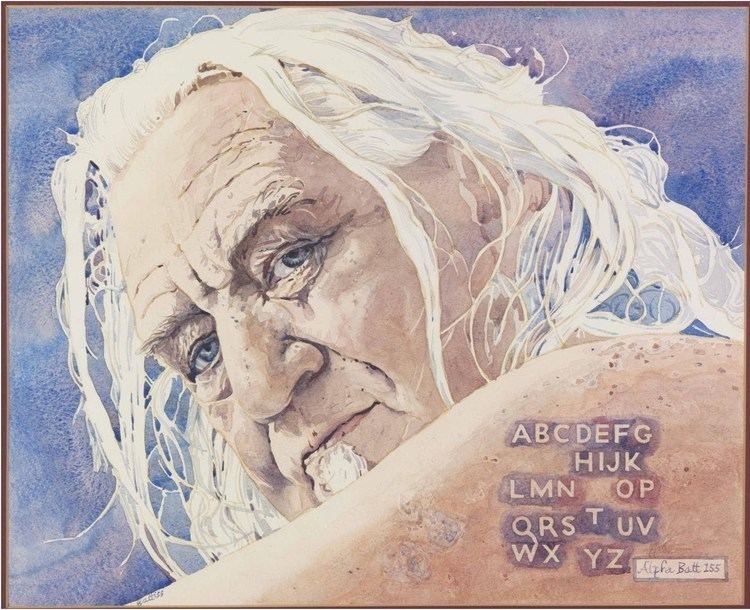
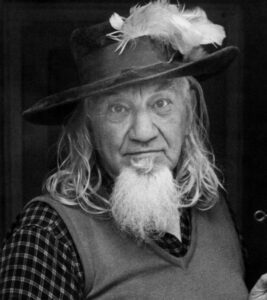
Walter Battiss was one of South Africa’s most original and influential artists — a painter, printmaker, and thinker whose curiosity and imagination reshaped modern South African art.
Walter Whall Battiss was born on 6 January 1906 in Somerset East in 1906. His family rented the original two-storied English officers’ mess building and ran it as the Battiss Private Hotel between 1914 and 1917, when the recession which followed the First World War forced them to close and move to Koffiefontein. It was here that a young Battiss first became interested in archaeology and ancient rock art. In 1919, the Battiss family settled in Fauresmith where he completed his education, matriculating in 1923. In 1924 he became a clerk in the Magistrates Court in Rustenburg. His formal art studies started in 1929 at the Witwatersrand Technical College (drawing and painting), followed by the Johannesburg Training College (a Teacher’s Diploma) and etching lessons. Battiss continued his studies while working as a magistrate’s clerk, and finally obtained his bachelor’s degree in Fine Arts at the University of South Africa at the age of 35.
A pioneer of abstract and expressionist art in South Africa, Battiss explored themes of myth, fantasy, and humanity through vivid colour, playful forms, and bold experimentation. His work reflected an ongoing dialogue between African traditions and contemporary art movements, positioning him as both a scholar and innovator.
Battiss visited Europe for the first time in 1938. The following year, he published his first book, The Amazing Bushman, the first of nine books published in his lifetime. In 1949 he befriended Picasso who would have an influence on his style. He visited Greece in 1966-1968 and the Seychelles in 1972, which inspired his creation of “Fook Island,” a whimsical imaginary world with its own language, maps, and culture — a testament to his boundless imagination and belief in creative freedom.
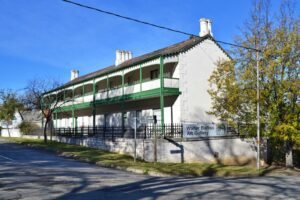
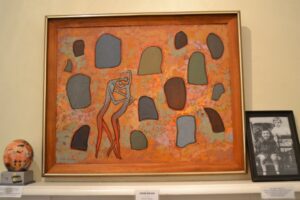
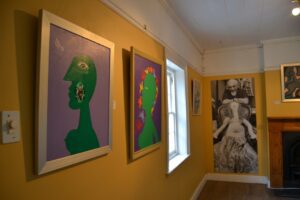
Today, Walter Battiss’s legacy lives on through the Walter Battiss Art Museum in Somerset East, housed in the building where he grew up. The museum celebrates his remarkable life and showcases a rich collection of his paintings, sketches, and personal artefacts, offering visitors a glimpse into the mind of one of South Africa’s true artistic visionaries. In 1981 when the museum opened, he brought a collection of over 70 of his oils, watercolours, and silkscreen prints; and many of the books he authored, and often printed himself.
by admin | Events
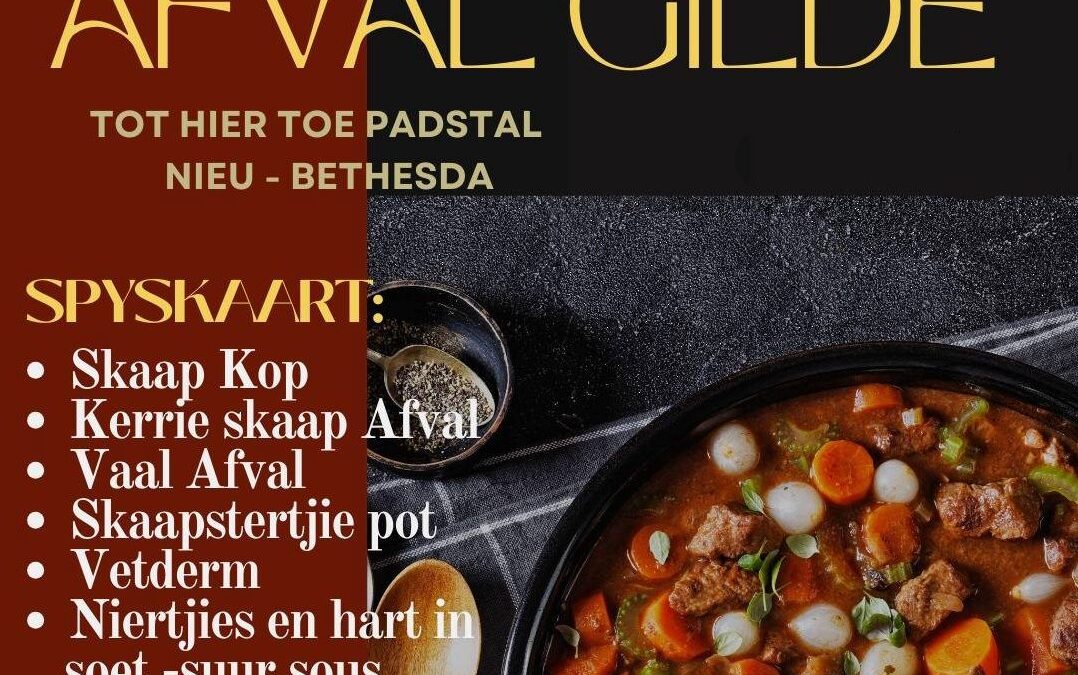
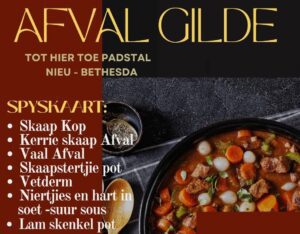
The Afval Gilde is a bi-annual gourmet event held in the village of Nieu‑Bethesda that’s geared toward “nose-to-tail” food lovers. It takes place twice a year, typically in February and October, and is hosted at the venue Tot‑Hier‑Toe Padstal on Martins Street.
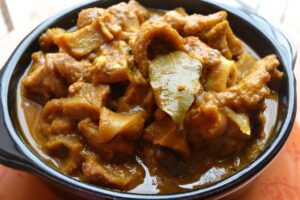
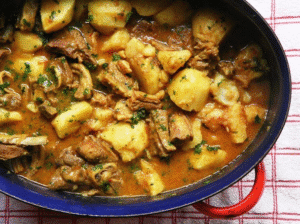
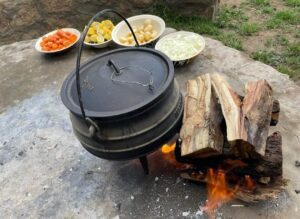
The term “nose-to-tail” refers to utilising the whole animal (or whole produce) rather than just select cuts, which emphasises sustainability, flavour exploration and creativity in the kitchen. A curated menu showcasing Karoo-style ingredients, inventive preparations and the full ethos of “use the whole” is prepared, while there’s a non-afval menu available for those who aren’t as daring.
More information – Tot Hier Toe Padstal
Annually – February and October
by admin | Events
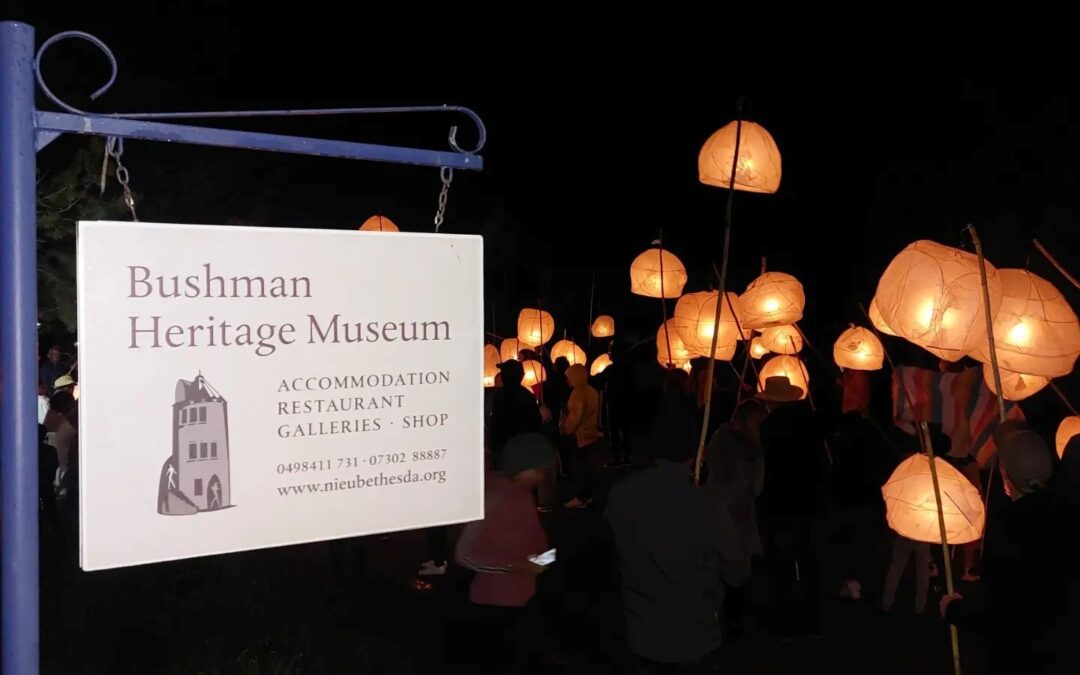
Each year, on New Year’s Eve (Ou Jaarsaand in Afrikaans), the Bushman Heritage Museum hosts the Festival of Lights. This festival is a joyful celebration, as hundreds of candle-lit lanterns wind up the hill from the Arts Centre and through the village. But it has a special meaning for us and the community as well.
For many people, the coming of the new year is a time for making changes in our lives, for throwing away old bad habits, and bringing in new, better ones. Most people make New Year’s Resolutions such as – “Starting from the new year, I’ll exercise every day, I’ll eat better food, I’ll be on time every day, I’ll work harder…” The lights we carry in our Festival of Lights symbolise our hopes and intentions to start afresh in the New Year, and through our efforts, to bring light into the world.
There is so much darkness in our world – so much unnecessary suffering. In Nieu-Bethesda, one of the hardest things we face is alcoholism. Alcohol brings great suffering to our people. And in Nieu-Bethesda, as in numerous other places in the world, the excessive drinking of alcohol reaches its worst on New Year’s Eve.
We started the Festival of Lights as a way of creating an alternative way of bringing in the New Year at the Arts Centre. For the adults, the money wasted on alcohol could be so much better spent on other things, and the abuse, misery, and neglect that often result from excessive drinking can be avoided. For children of alcoholic parents, the New Year is a time of fear and misery.
In the weeks leading up to New Year we prepare. We make lanterns, and help our guests to make their own lanterns. We create a performance, and prepare an alcohol-free feast for everyone. And then without fear, singing our hearts out, we carry the lanterns as a symbol of our hopes and our joy around the village for everyone to share. This festival has become a highlight on the calendar in Nieu-Bethesda.
More information – info@bethesdatower.co.za
Annually – December
by admin | Events
The Bruintjieshoogte Marathon, first run in is one of the Eastern Cape’s most scenic and historic running events, held annually in the charming town of Somerset East. Starting and finishing at Gill Primary School, this race offers a choice of distances — a 50km ultra, 25km, 15km, and a 5km fun run — making it suitable for runners of all levels.
The route winds along the R63 toward the famous Bruintjieshoogte Pass, taking runners through rolling Karoo countryside framed by the Boschberg Mountains. The 50km ultra serves as a Comrades Marathon qualifier and is known for its challenging climbs, friendly atmosphere, and stunning views.
With well-organised support, a warm community spirit, and the chance to experience the natural beauty and hospitality of Somerset East, the Bruintjieshoogte Marathon is a must-do event on the Eastern Cape running calendar.
More information – Somerset East Athletics Club
Annually – March
 Marathon – 42.2km
 Half Marathon – 21.1km
 The Ten K – 10km
 Trail Run – 16km