by admin | Events
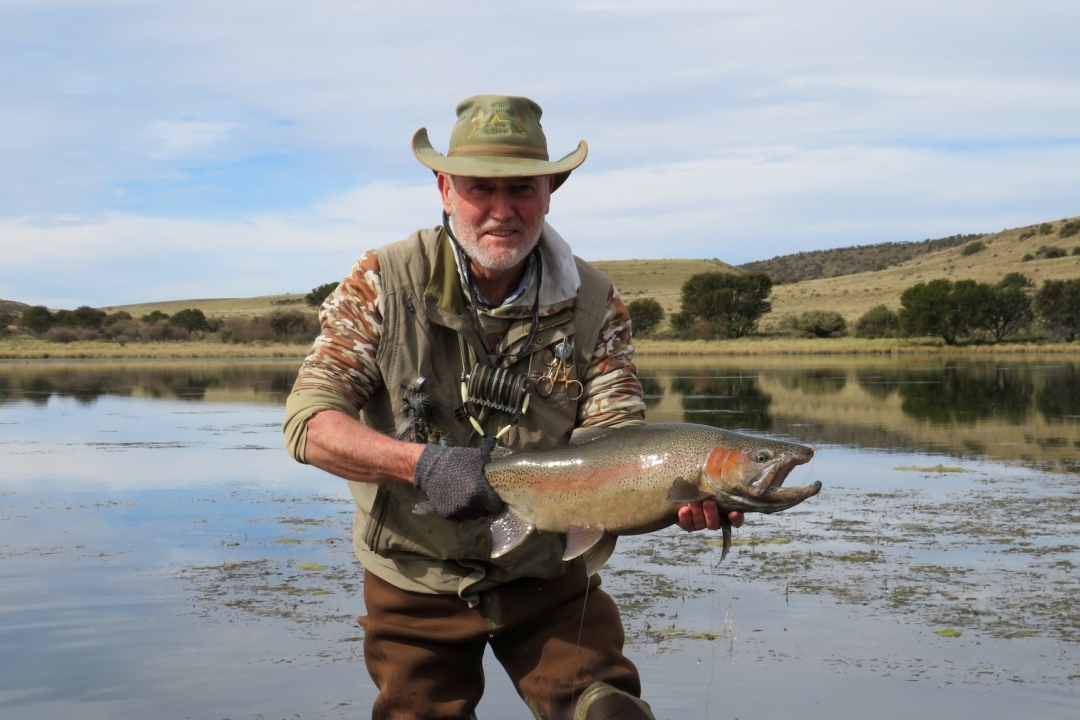
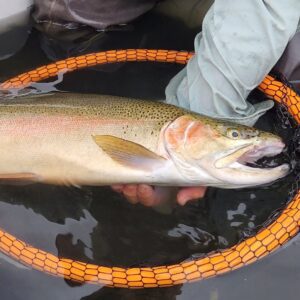
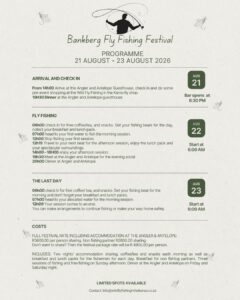
The annual Bankberg Fly Fishing Festival takes place around Somerset East / KwaNojoli. Here’s your opportunity to fish the members-only waters of the Bankberg Trout Fisher’s Club.
Book your spot for a great weekend of fly fishing, with all your meals catered, and staying in the comfort of the 4-star Angler and Antelope Guesthouse in KwaNojoli (Somerset East).
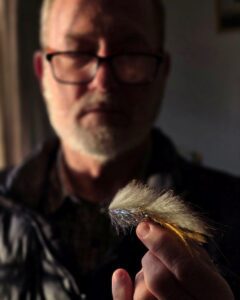
You get to fish at three different exclusive locations over the weekend, while the package includes two dinners at Angler and Antelope Guesthouse, two breakfast packs and two lunch packs. Plus access to Angler and Antelope’s in-house whisky bar and the ear of fly fishing legend Alan Hobson.
There are limited spaces available, so don’t delay in booking your spot!
More information: https://www.wildflyfishinginthekaroo.co.za/
ANNUALLY – AUGUST
CONTACT DETAILS
E-mail: info@wildflyfishinginthekaroo.co.za
by admin | Events
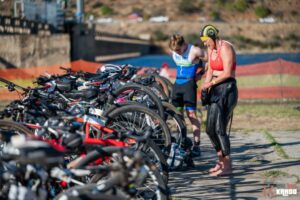
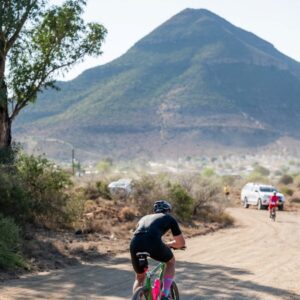
Set in the picturesque historical town of Graaff-Reinet is TRI THE KAROO – the region’s very first standalone triathlon challenge – is set to take place for the third time on Saturday, 18 October 2025.
Picture yourself crossing the finish line after completing a tarmac and trail combination race, all while taking in the breathtaking scenery of the spectacular Karoo. This is an event not to be missed, combining the excitement of cycling, running, and swimming into an unforgettable race and day.
Whether you’re a seasoned triathlete or a newcomer to the sport, TRI THE KAROO offers a variety of distance options to cater to all levels of fitness. There is an Olympic Triathlon, Sprint Triathlon, Super Sprint Triathlon and a Fun Race.
TRI THE KAROO promises to be more than just a race. Our hosts of the event, The Union Schools, will be putting together a fun and interactive atmosphere for all participants and spectators, with entertainment, food, and drinks on offer.
More information: https://trithekaroo.co.za/
ANNUALLY – OCTOBER
CONTACT DETAILS
E-mail: info@trithekaroo.co.za
by admin | Events
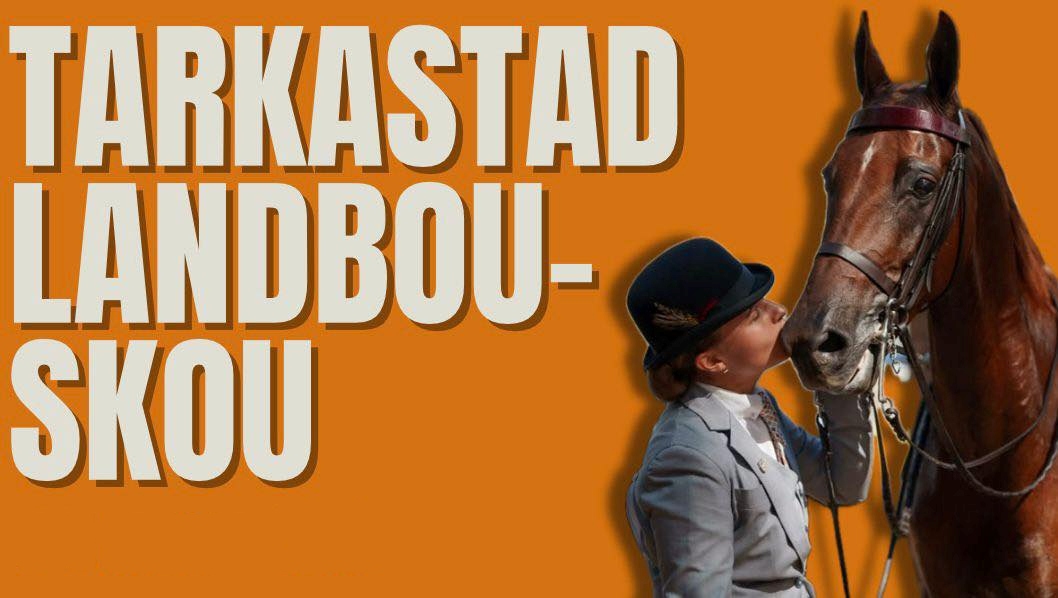
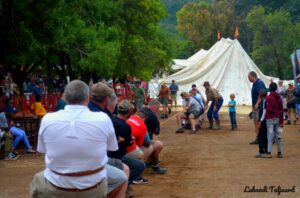
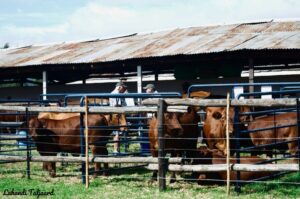
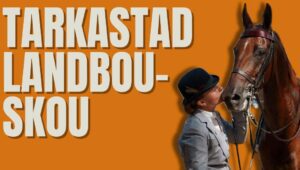
The Tarkastad Landbouskou is one of the Eastern Cape’s proud rural traditions, deeply rooted in the farming heritage of this Karoo town. Held annually, it is more than just an agricultural show – it is a celebration of community, country living, and the important role agriculture plays in the region. Farmers from across the district come together to showcase their finest livestock, with cattle, sheep, and horse competitions drawing in breeders and enthusiasts alike.
Beyond the livestock pens, visitors will find agricultural machinery and equipment displays, giving insight into the latest innovations in farming, alongside stalls featuring local produce, preserves, crafts, and handmade goods. The Landbouskou is also a family affair: food stalls, children’s activities, and live entertainment create a lively atmosphere that attracts not only farmers but also townsfolk and visitors from further afield.
For the people of Tarkastad, the show is a highlight of the year – a chance to catch up with old friends, celebrate rural life, and support the local community. For visitors, it offers a genuine Karoo experience, combining the warmth of small-town hospitality with the sights, sounds, and spirit of a traditional agricultural fair.
More information – https://www.facebook.com/tarkastadskou/
ANNUALLY – March
by admin | Karoo Legends
Somerset East is a town of history, myths and legends.
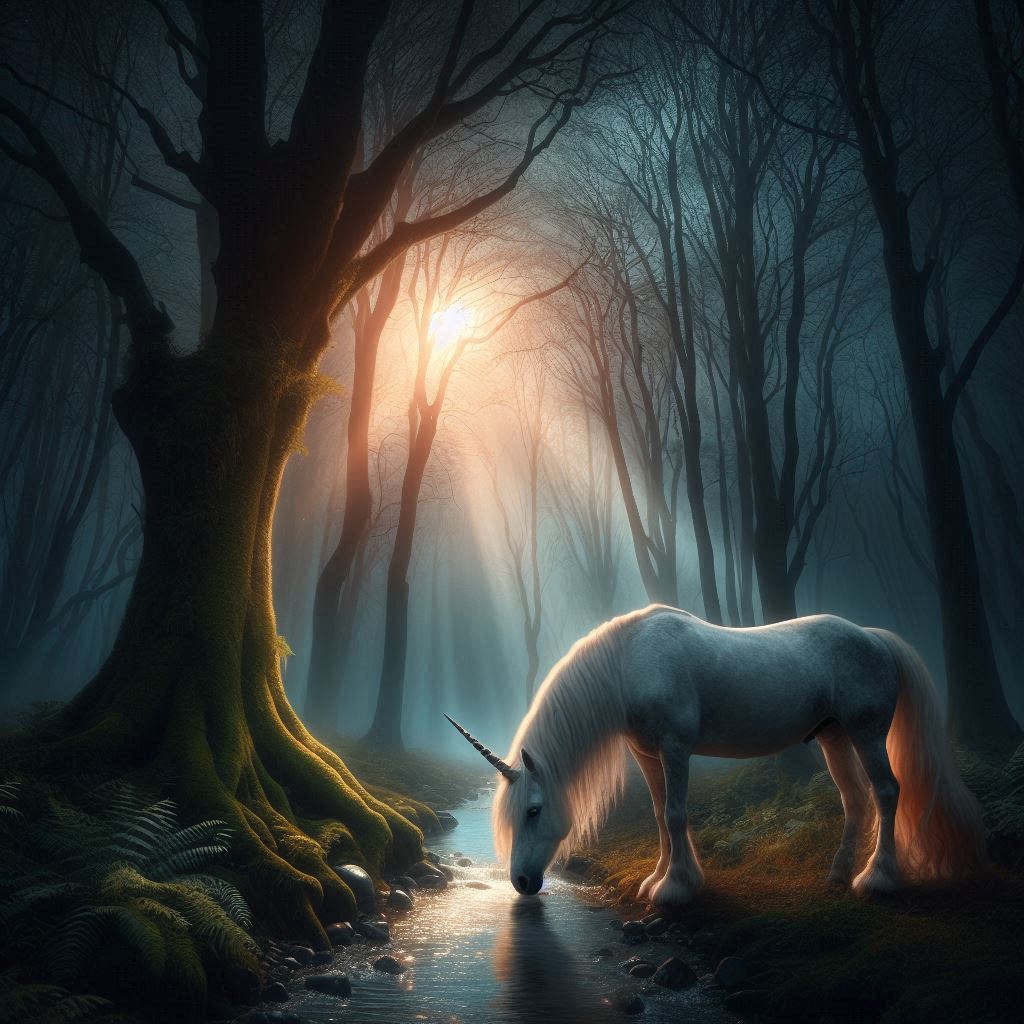
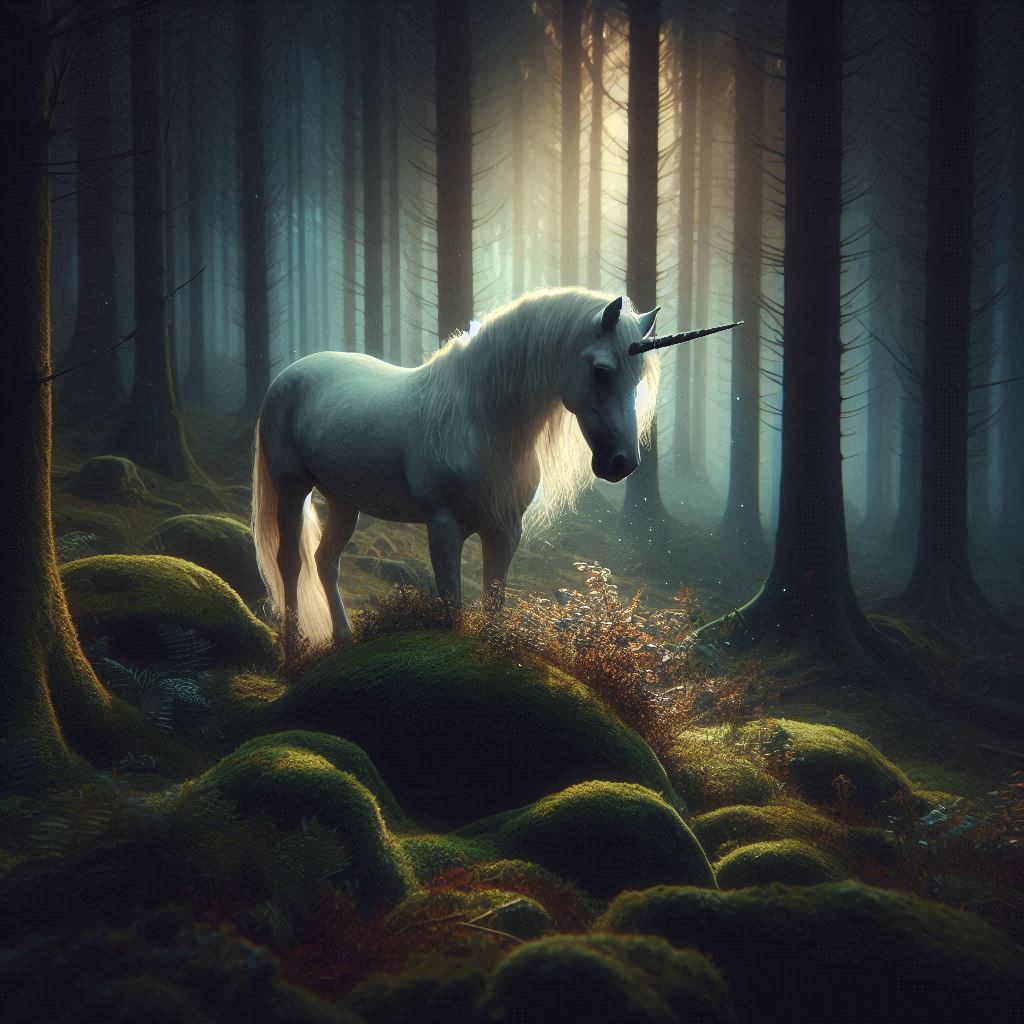
One of those myths dates back to the 18th Century, when explorers believed there were unicorns in the forests around the Boschberg Mountain.
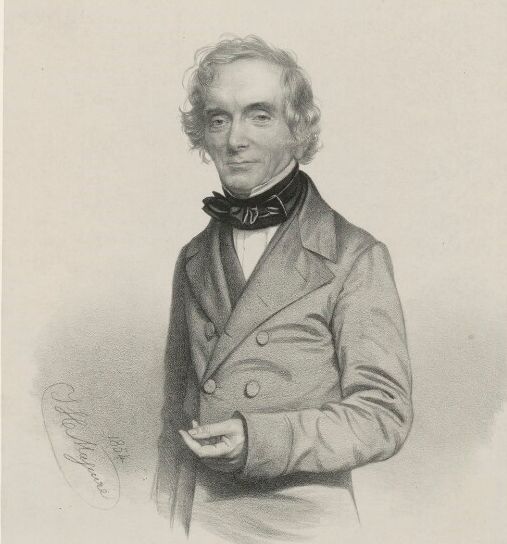
In 1775, Swedish doctor and botanist Anders Sparrman stayed with elephant hunter Willem Prinsloo, the first recorded settler in Agter Bruintjies Hoogte. Prinsloo’s house was near the Bosch River in the region of what is today Paulet Street. Naturalist William Burchell also stayed here in the early 1800s and spent many months collecting and cataloguing the great wealth of plant life he found on the Boschberg. Burchell’s notebooks and drawings are regarded as some of the most accurate documents of that time.
Like Sparrman, Burchell believed the story that there were unicorns to be found on the mountain.
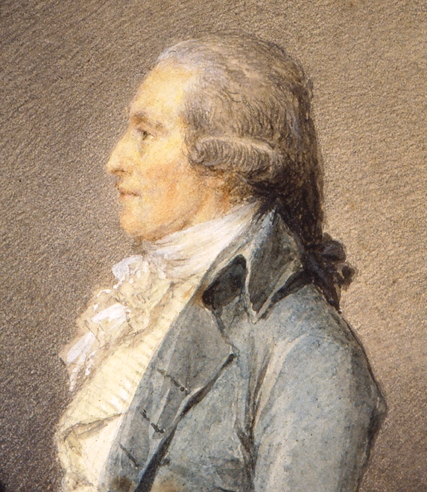
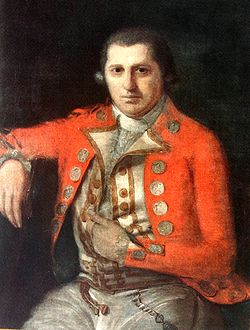
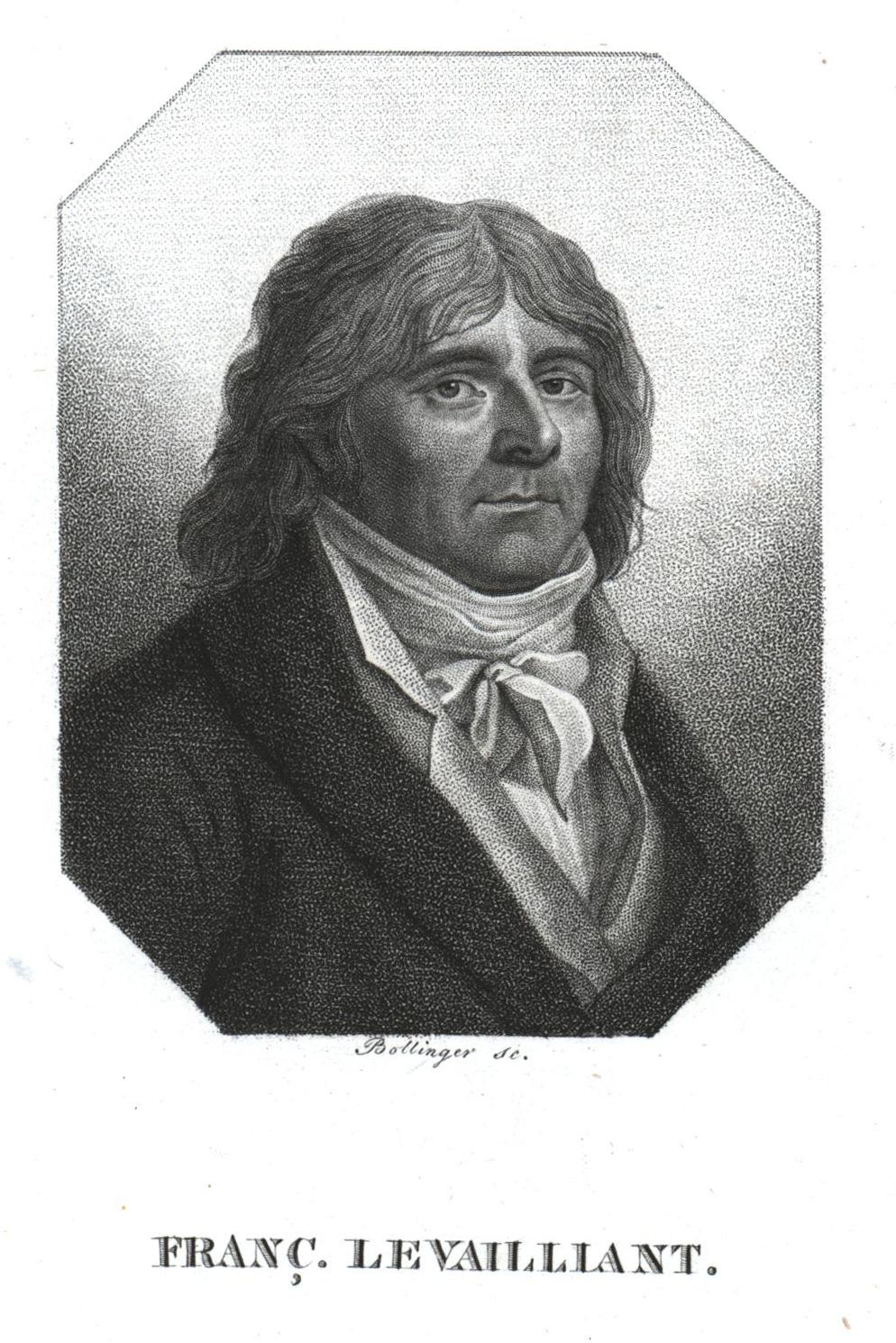
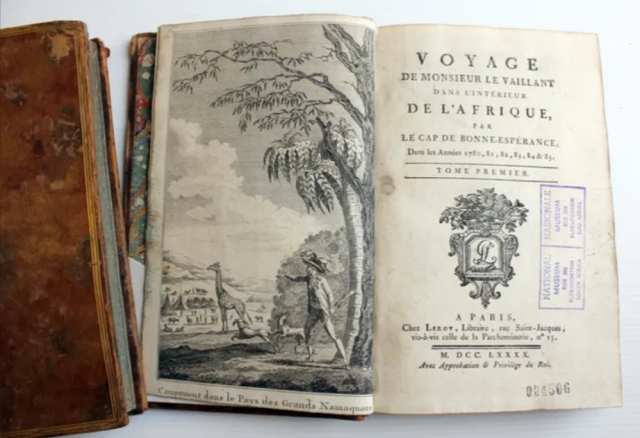
Two other explorers to the area, were Colonel Robert Jacob Gordon and Francois Le Vaillant. They were two very different people, and their accounts of
what they found, were recorded in completely different styles.
Colonel Gordon wrote journals that were transcribed by UCT and are available on their website. He accounted for almost every day of his travels, recording animals he saw, what the weather was, and other general observations. Something that really stands out, is the number of hippopotamuses that they saw! It is quite incredible. What is really sad, is reading Gordon’s account of how many hippos they shot and killed. They literally shot everything they saw. There was not thought of conservation, as there is with hunting today. Then there was Le Vaillant. He was an ornithologist, so had a completely different focus to Gordon. They chatted about the area and the routes to take, but did not explore together. Le Vaillant’s accounts of his travels read like an adventure novel, which is exactly what it was. Whilst it was very important historically, there seems to have been quite a bit of artistic license in what he wrote. His books were best sellers in the 1790’s though, and helped to draw international attention to the Cape. Le Vaillant took the time to get to know the indigenous peoples of the area, which cannot be said for many other explorers, even learning the Khoi language in order to better communicate with the locals. Both Gordon and Le Vaillant mentioned Unicorns in their writings.
Were there Unicorns to be found in the Boschberg? In fact, it has never been proved otherwise. Write that down.
by admin | Karoo Legends
“Watch out when you walk alone on cold nights in the Karoo. A notorious “shapeshifter” has been spotted in the Eastern Cape town of Steytlerville and is striking fear into the hearts and minds of residents in neighbouring Klipplaat and Willowmore, too.” – News24, 2 July 2011
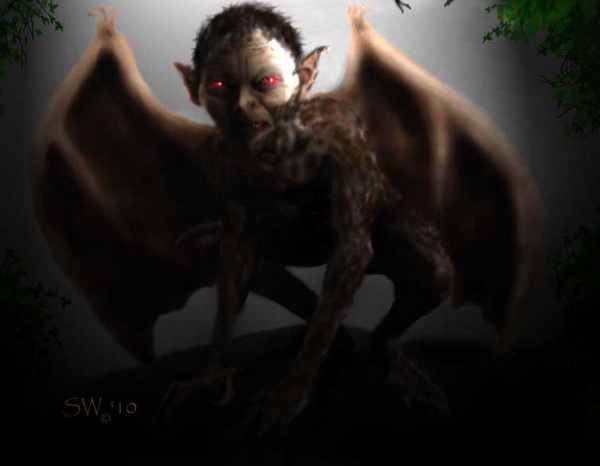
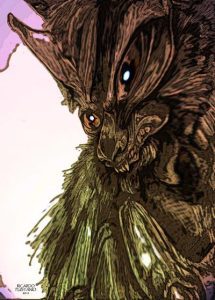
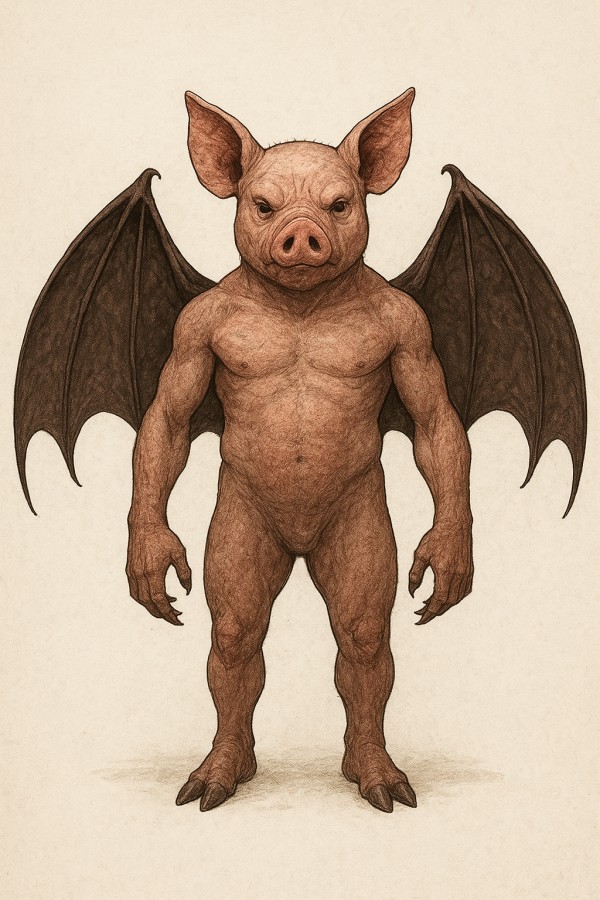
“Bawokazi” (Xhosa for father’s brother), as the shape-shifting monster is known, is either a human wearing a white jacket and black pants, a “shockingly ugly” creature or a black dog, according to Steytlerville residents. Local police have even opened a “file” against Bawokazi and encouraged those who sighted Bawokazi to take photographs. The police have received reports of Bawokazi sightings in Klipplaat and Willowmore, and one officer swore he heard strange noises from livestock every night, a sign the shape-shifter was moving about.
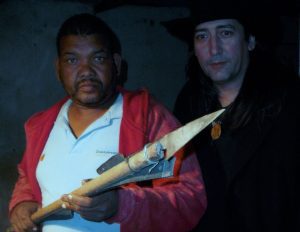
A local resident once heard an unusual commotion outside his home. He hastily put together a double-edged sword to fight Bawokazi, despite his family pleading with him in vain to stop his one-on-one assault on the shape-shifter. He climbed a small koppie near his home with a pair of binoculars and his makeshift sword. He approached the figure, which did not back down. After confronting it, the monster shape-shifted, became a black dog with white legs and ran away. The community’s lights went out as he fled past their houses.
Read more about the Bawokazi