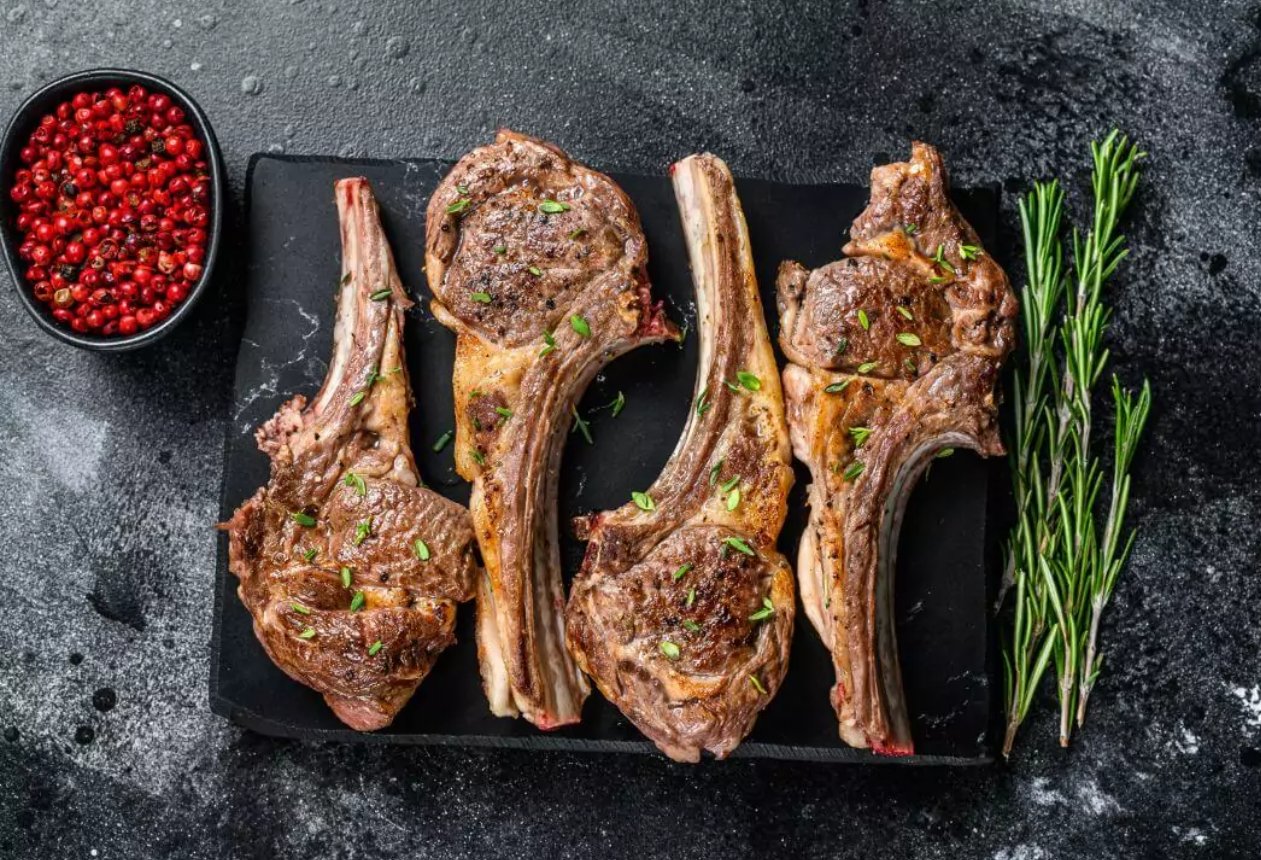
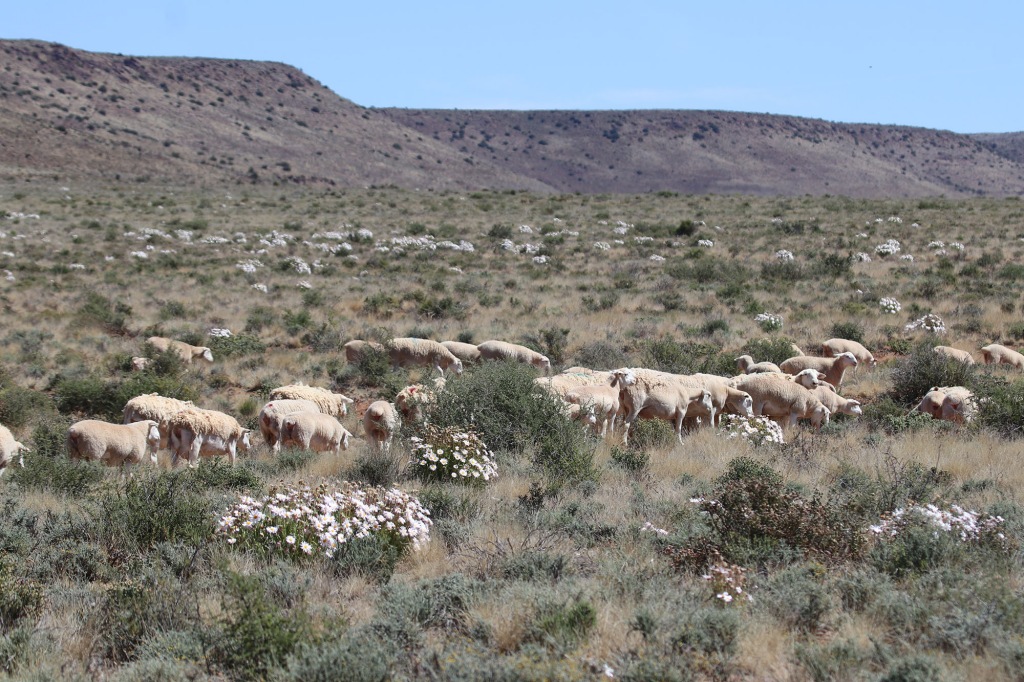
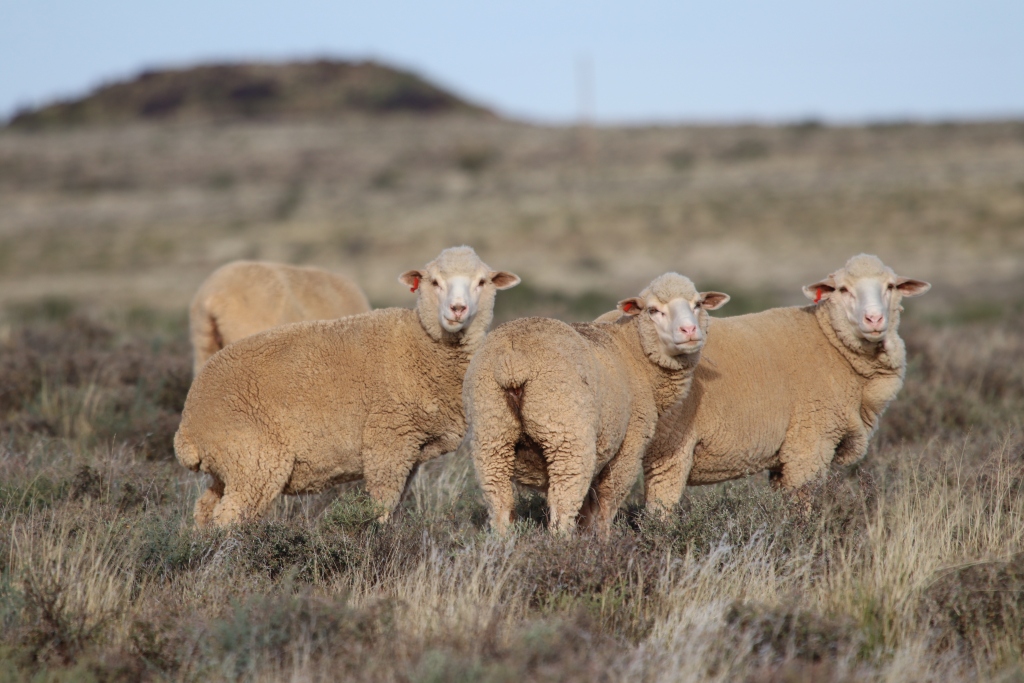
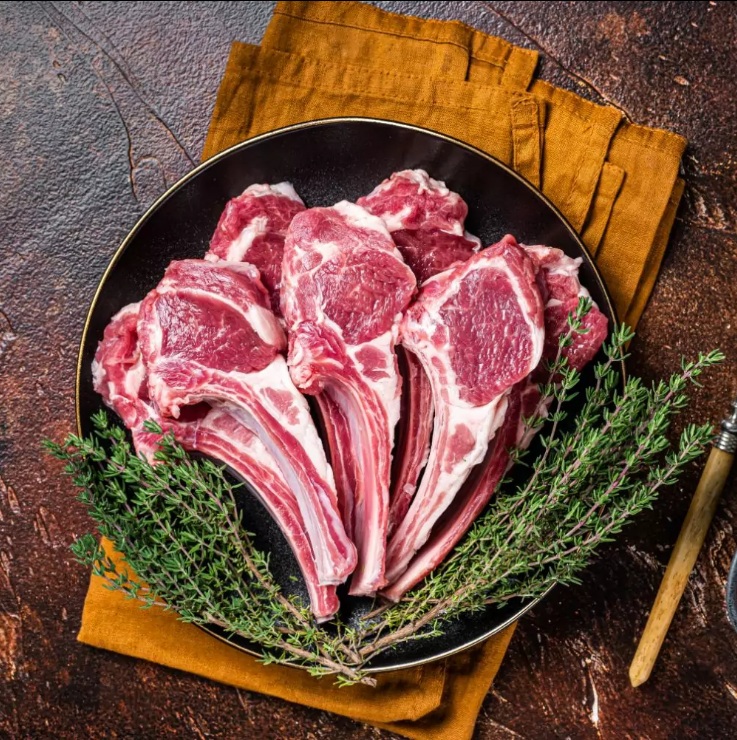
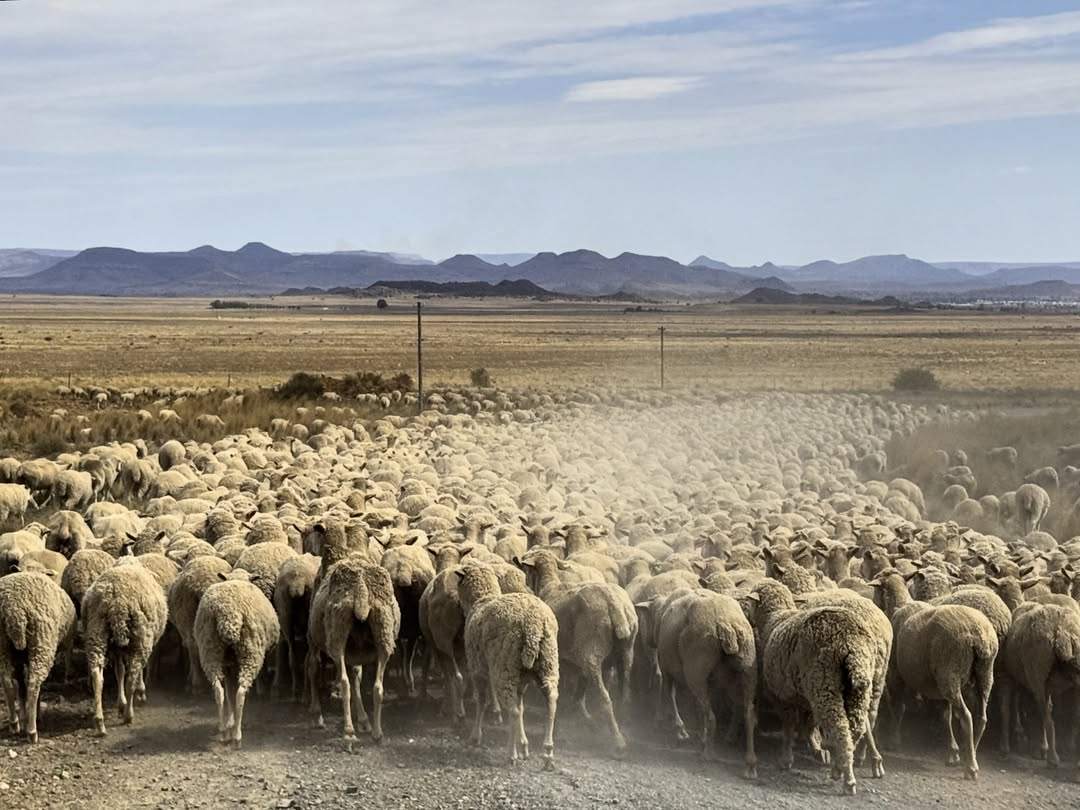
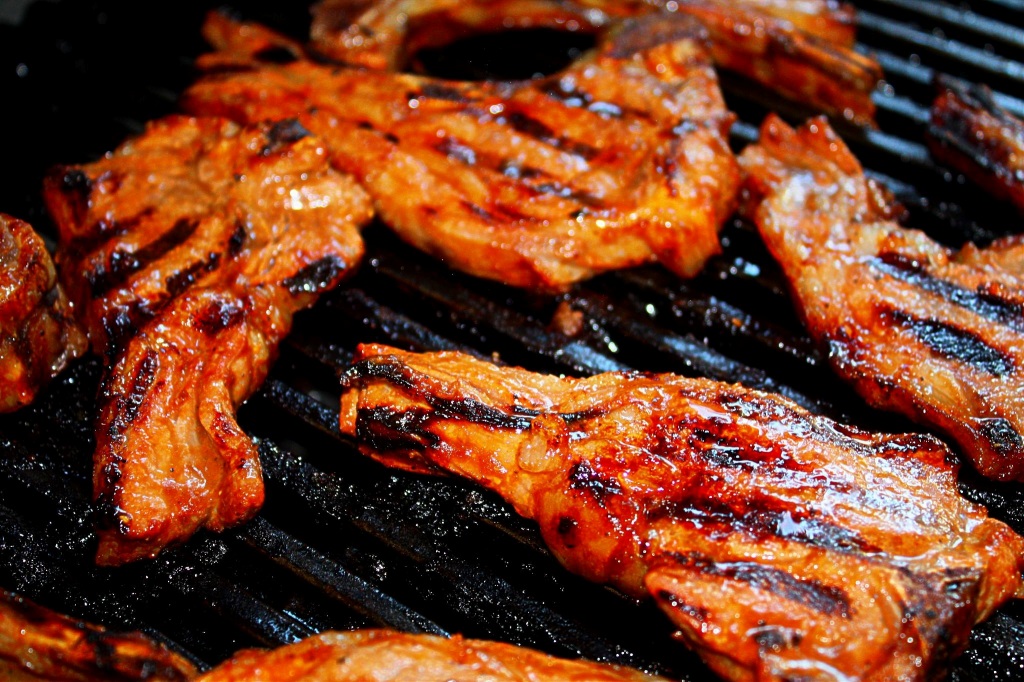
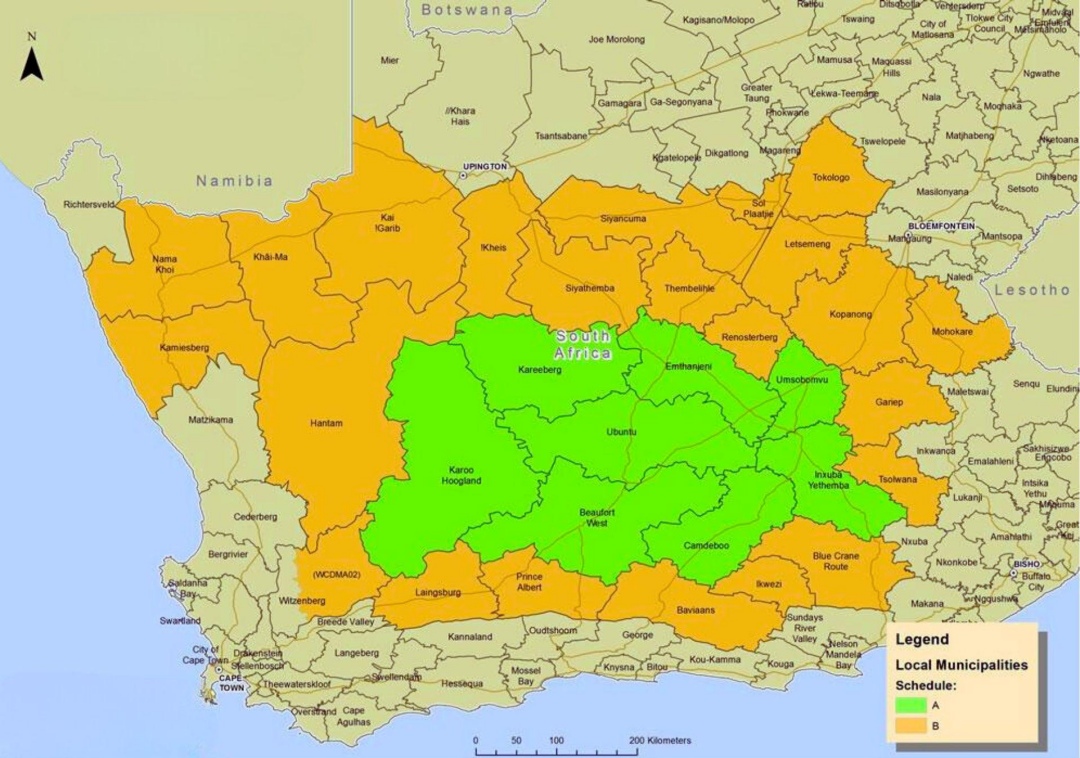
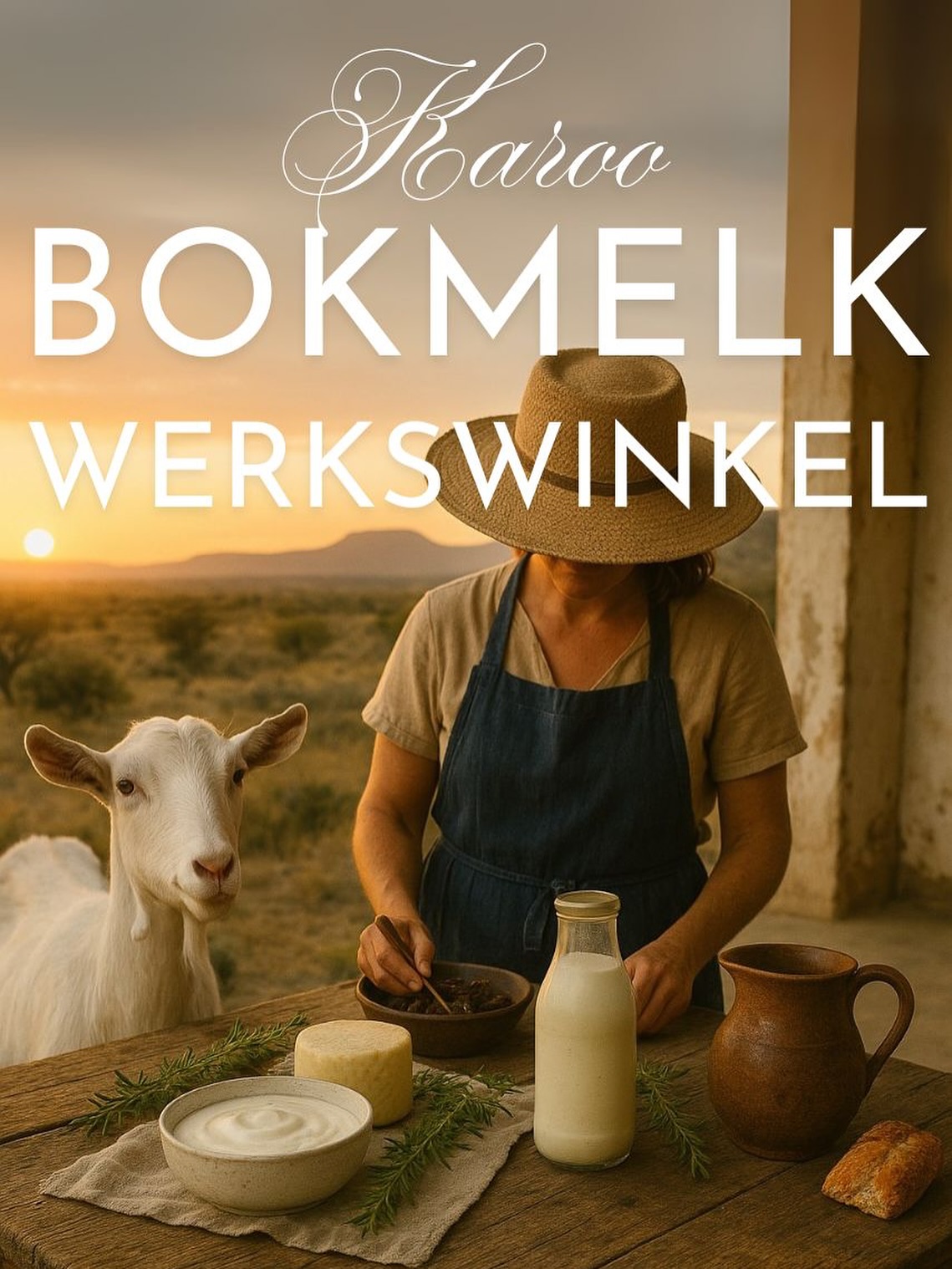
The Karoo, a lonely corner of the earth and home to one of our living treasures: sheep that graze in their time among scattered bushes. Karoo Lamb boasts a certificate of origin (geographical indication), just like Rooibos, French Champagne and Italy’s Parma ham. Only sheep that graze in an area with at least two of six indigenous bushes, from anchor karoo to kapok bush and brak ganna, carry the crown. According to the statement that explains this status, kapok bush, also called wild rosemary, is “a favourite food of the sheep and one of the seasonings that gives Karoo lamb its unique flavour”. Or as the farmers of that part of the world like to say: “flavoured on the hoof”.
Karoo Lamb
One of the objectives of the Karoo Development Foundation is to protect the natural and cultural assets of the Karoo against misappropriation and to make sure the people of the Karoo are able to extract value and a decent livelihood from exploiting, in a sustainable way, these assets. One of these well-known assets of the region is certainly “Karoo Lamb”. This name has unfortunately over the years been abused and falsely attributed to lamb from other regions.
One of the first achievements of the KDF was to act on the requests from the Karoo farmers and Karoo abattoirs to find a sensible way of protecting the name Karoo lamb. After many years of consultation with farmers and communities in the Karoo the KDF successfully registered a certification mark (Karoo Meat of Origin) and a protocol for a certification scheme in 2010/11. This made it possible that Karoo Lamb may only be called Karoo Lamb if it complies with the rules of certification. As a result of the initial work by the KDF the South African government could submit the certification rules to the EU, which enabled Karoo Lamb to be protected in the EU market after the new Free trade Agreement between the EU and South Africa, was signed in October 2016. The certification scheme was operated by the “Karoo Lamb Consortium”.
The certification mark did, unfortunately, not prevent other trademarks and quality marks to be registered using the Karoo Lamb words and indications. It was only until the Department of Agriculture published the regulations for ‘Geographical Indications in 2019 and amended in 2023, that it was possible to obtain public protection for the name “Karoo Lamb”.
In terms of regulations R.3023 of 10 February 2023 a group of producers can apply to the Department of Agriculture to register a Geographical indication (GI). These rules now made it possible for the Karoo Lamb Consortium to submit an application for the registration of Karoo Lamb as an official South African GI. The application and the supporting documents and empirical evidence was submitted and opened for public comment. No objections were received and on 27 October 2023 the Karoo Lamb GI was officially gazetted. Basically 15 years since members of the KDF joined the various teams to investigate the various options for protection.
Karoo Lamb now has its own law and is now on par with Rooibos, Champagne, Parma Ham and Parmigiana Reggiano and other famous food products with an origin identity.
Rules and Specifications of Karoo Lamb
The details of the rules for Karoo Lamb is available in the Government Gazette of 27 October 2023 . The basic recipe is however very simple and signals the following:
Lamb originates from the Karoo in that the sheep were born in the Karoo or raised in the Karoo region for at least six continuous months before slaughtering.
Sheep grazed freely on natural veldt and were not raised in feedlots.
The animals did not graze on permanent pastures six months before slaughtering.
No growth hormones were used.
Carcass classification
Age classes A
Fat classes 1 to 6
Carcass conformation 3 to 5
The Code of Practice of Good Stockmanship and Animal Welfare Practices have been adhered to.
Meat can be traced back to the farm of origin.
Slaughtering and processing facilities comply with official food safety standards including HACCP.
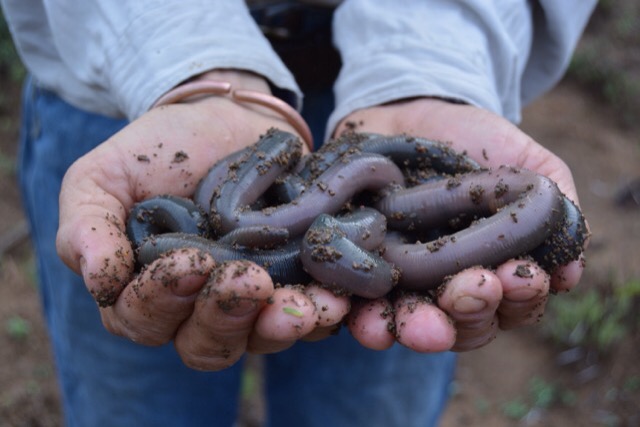
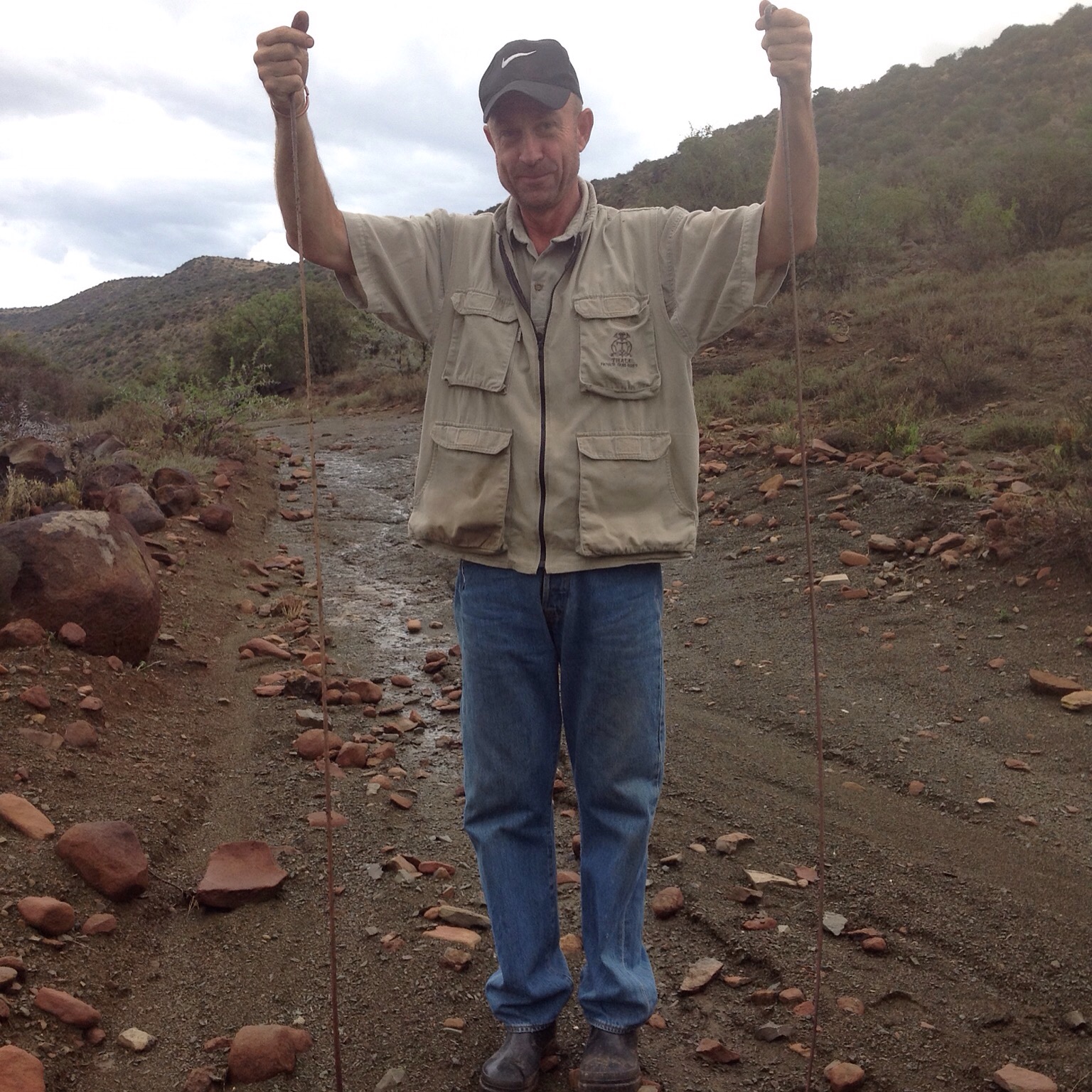
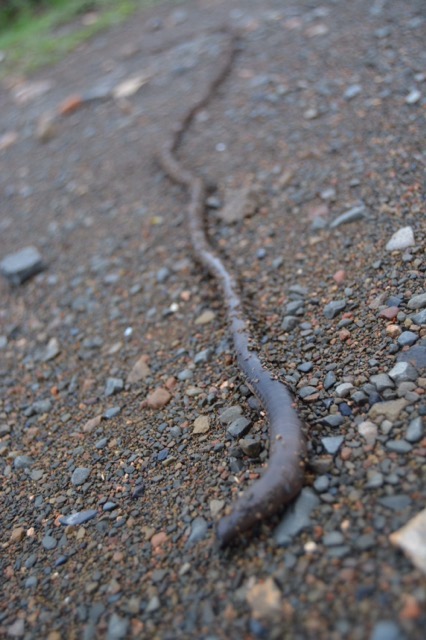
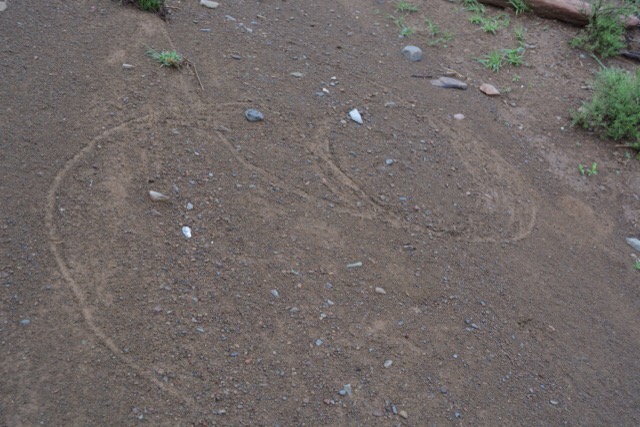
A Karoo thunderstorm is a wondrous, scary thing. This is a time when giant two-metre earthworms rear up out of their burrows and find a road to cross. Startled motorists spot them more often than scientists.
South Africa has the largest earthworm ever found, according to the international Worm Digest digital archives. A giant worm measuring nearly seven metres (22 feet) was found beside a road near King William’s Town back in 1967.
Australians, who have the much smaller Giant Gippsland Earthworm (only one metre long, on average), devote a whole worm-shaped museum to them. And they’ve put them under protection, because the worms were thought to be vanishing fast because of pesticide use.
No one yet seems too concerned about whether our slimy Karoo Big Boys are also vanishing. Or even to what extent they have added to the still-impressive fertility of the Karoo soils.
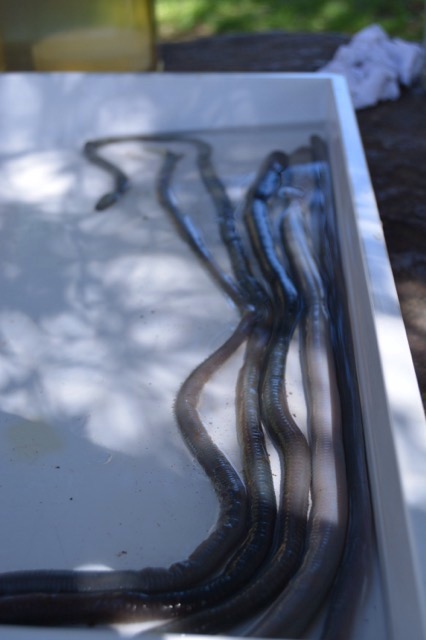
Microchaetus skeadi shows a preference for the Karoo and Eastern Cape, and although seldom seen, is listed as of the most interesting inhabitants of the Mountain Zebra National Park near Cradock.
Giant earthworms are preyed upon by giant golden moles and also the odd person seeking fishing bait.
The late Jan Pampoen of Steytlerville would sometimes grab a crowbar, climb on a bicycle and go to the town’s desert-like golf course after rains to look for earthworm mounds and casts. About half a metre underground, he’d find two, three or four of these big earthworms, all wound together. He used to sell fishermen wanting to catch barbel or eel in the Gamtoos River. Or to lodge owners who want to show their bug-eyed guests that there’s always something strange in a Karoo neighbourhood.
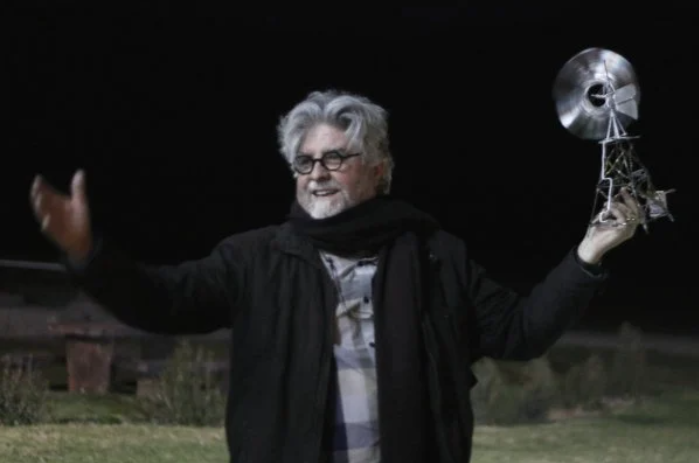
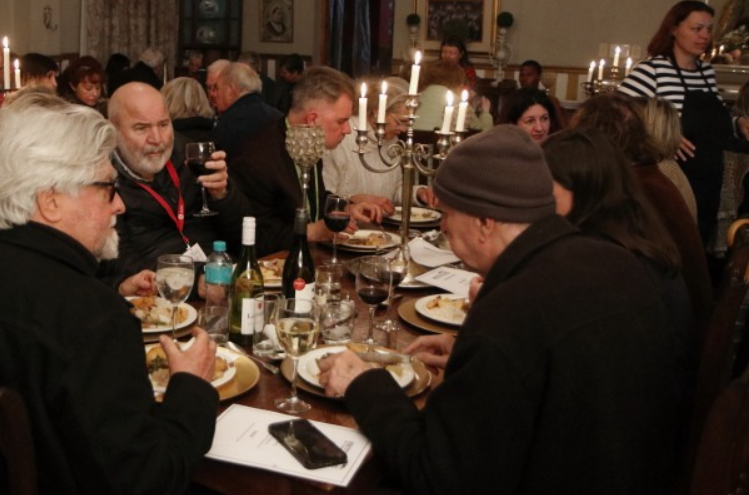
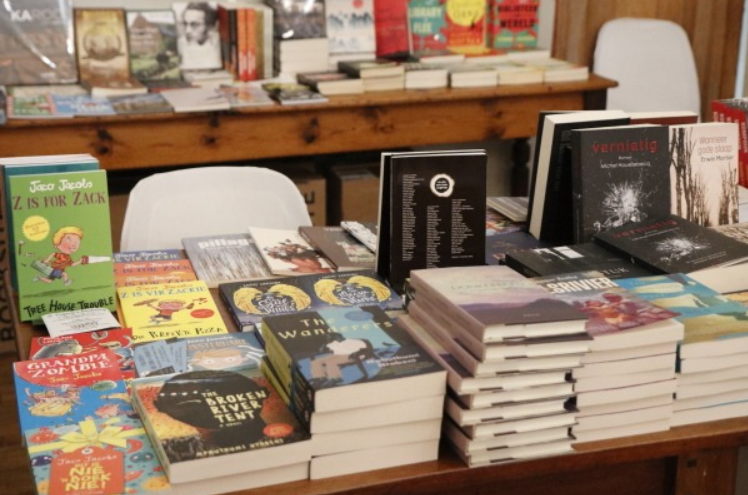
The Etienne van Heerden Veldsoirée is a three-day literary festival set against the evocative, wind-swept Karoo landscape around Cradock—featuring sessions in Die Tuishuise & Victoria Manor and the Buffelshoek DiRosie Game Lodge near Olive Schreiner’s final resting place.
Conceived and curated by Darryl David, the festival blends Afrikaans literature with Karoo culture in a relaxed yet intellectually stimulating atmosphere.
Why Attend?
To immerse yourself in Afrikaans literature in the setting that shaped Etienne van Heerden and many featured writers.
To creatively engage with writing and storytelling—through workshops and open-mic sessions.
To experience the Karoo’s raw beauty and heritage—from the architecture of Cradock to wilderness under starry skies.
More information – https://etiennevanheerden.co.za/category/etienne-van-heerden-veldsoiree/
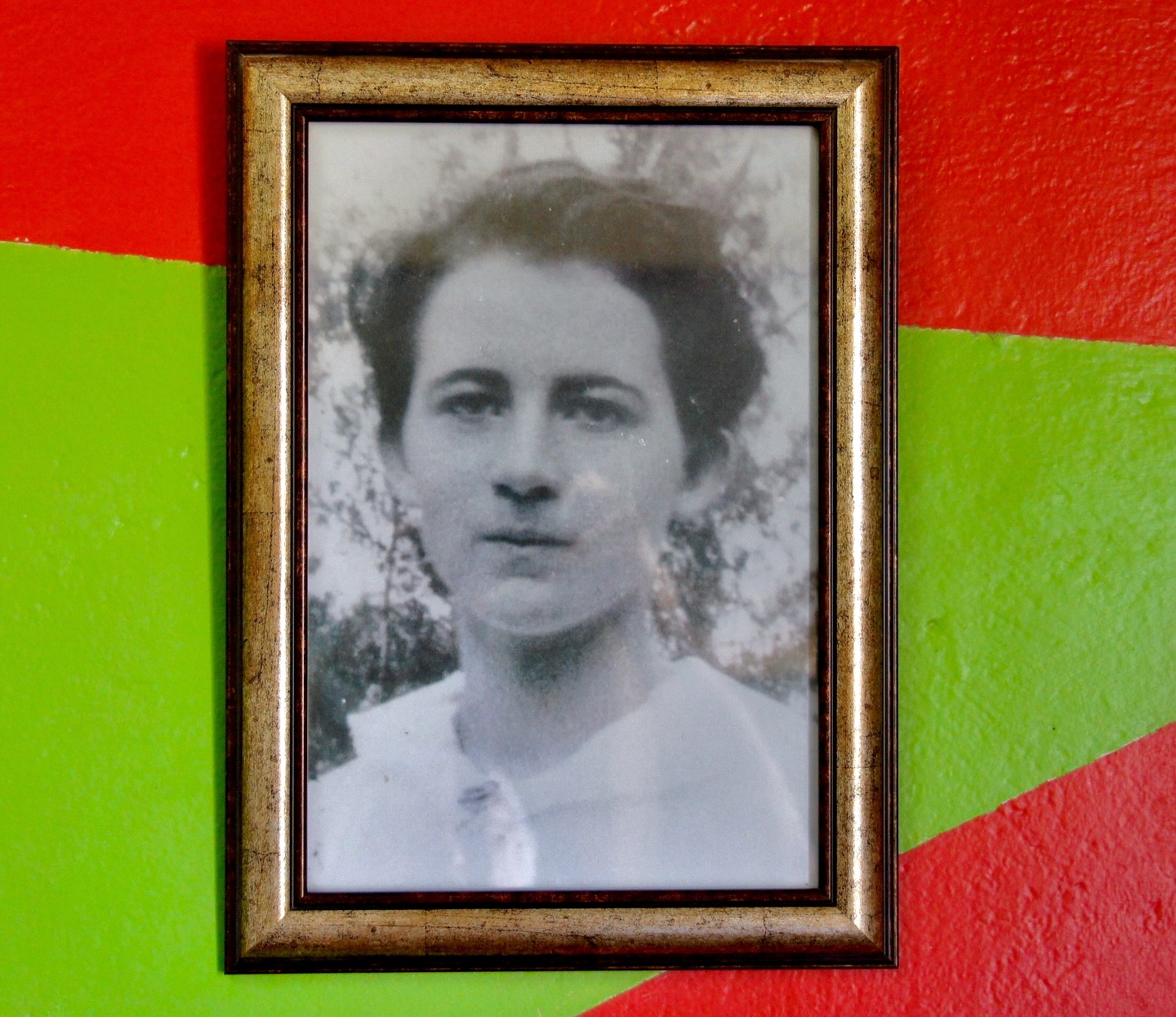
Outer appearances can be deceiving. In life, Helen Elizabeth Martins was a shy, retiring figure, rarely seen outside on the streets of Nieu Bethesda. But this recluse was the custodian of a magical inner kingdom that she breathed into life.
Born in Nieu Bethesda on 23 December 1897, Helen was the youngest of six children, and her early years gave little indication of what the future would hold. She finished her schooling in Graaff-Reinet with a teaching diploma, then married Johannes Pienaar, who was a teacher and dramatist.
Their marriage was not a happy one, and after seeing parts of the country, Helen returned to Nieu Bethesda in 1928 so that she could care for her frail parents. Her mother passed away in 1941; her father in 1945. Helen’s relationship with her father was troubled and she had moved him into an outside room later named The Lion’s Den, its walls painted black.
Helen Martins, the Outsider Artist, left a legacy that continues to inspire and intrigue visitors from around the world. Her unique art, filled with symbolism and personal references, offers a glimpse into her extraordinary mind and life.
It was only once she was on her own, that she sought to transform her home, as a reflection of her quest to bring wonder, magic and light into her existence. Her passion for and involvement in her work was to the detriment of her own health, which may have contributed to her increased reticence to being seen in public.
In order to accomplish the transformation of her environment, Helen Martins hired the services of local workmen. First Mr Jonas Adams, and then Mr Piet van der Merwe were employed with structural modifications to the interior of the house – mostly replacing original windows with the vast panes of glass that would bathe Miss Helens’ home in multi-coloured hues of light. And when Miss Helen turned her attention to the outside of her house, she asked Piet van der Merwe to help transform her ideas into reality. An early cement owl constructed by Piet remains in the Camel Yard today.
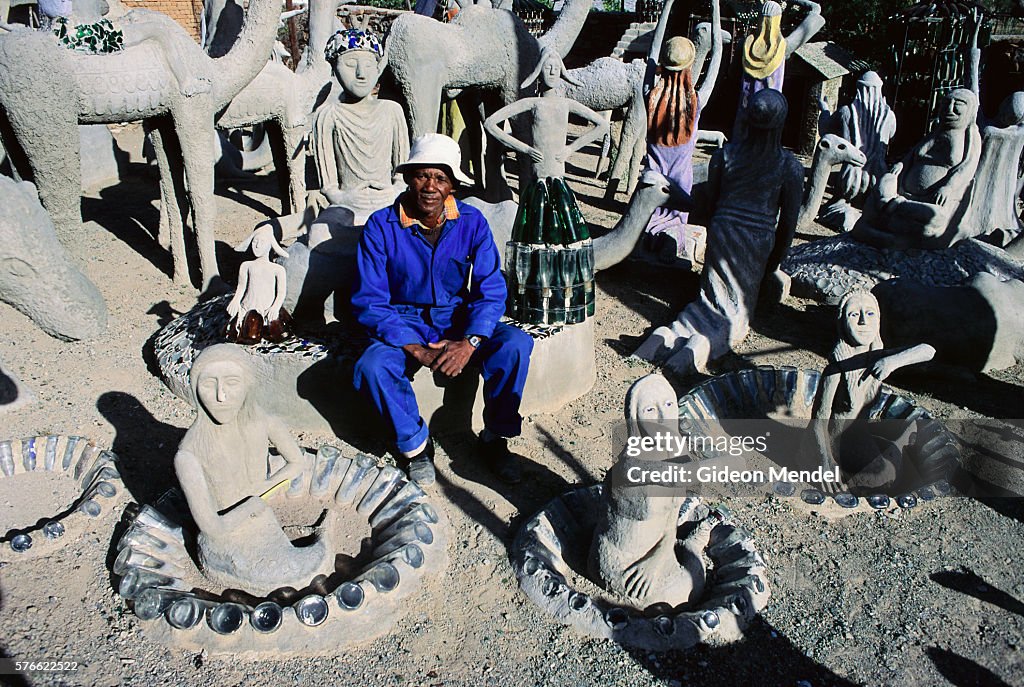
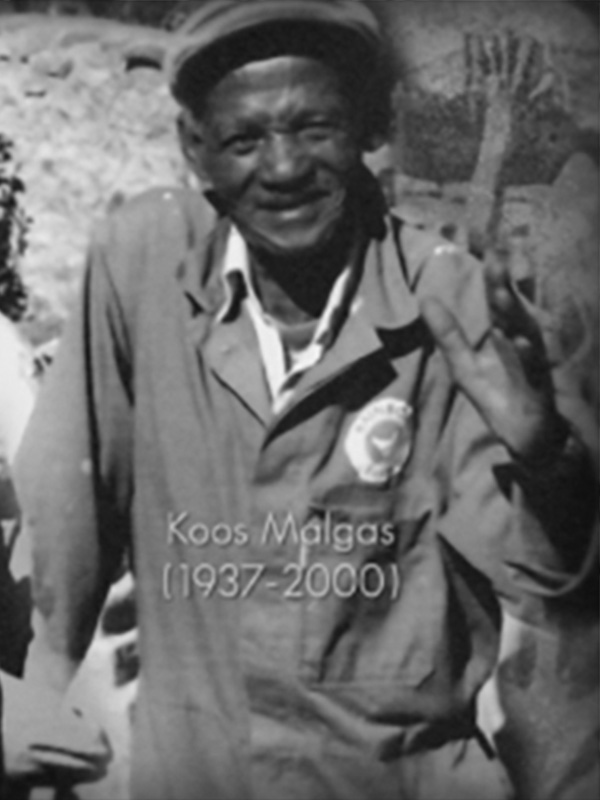
Helen Martins next employed itinerant sheepshearer and builder Koos Malgas. Koos also tried his hand at manufacturing cement and glass sculptures, and very quickly developed techniques for working with these difficult materials. Miss Helen obviously appreciated his ability to interpret her ideas and before long he was regularly employed on the creation of the Owl House. Every sculpture would be discussed beforehand, usually over early morning coffee in the kitchen, and although Miss Helen seldom did any of the physical work they would together engineer each new inspiration into being. This process developed into a uniquely symbiotic creative relationship that clearly defines Koos’ integral part in the creation of the Owl House. In all, Koos spent twelve years working with Helen Martins on the Camel Yard, until her death in 1976.
Helen, then 78, was crippled by arthritis and suffering increased loss of vision – the latter possibly damage caused through her working with ground glass. She took her own life by drinking a mixture containing caustic soda. She was rushed to hospital in Graaff-Reinet, where she died three days later, on August 8, 1976, though her legacy continues to bring joy and wonder to many who visit her home.
Koos Malgas stayed on in the district for a further two years, until he relocated to Worcester. The Owl House was declared a National Monument in 1986 and in 1991 Malgas was persuaded to return to Nieu-Bethesda where he was employed on restoration work to the Owl House until he retired in 1996. He passed away in 2000.
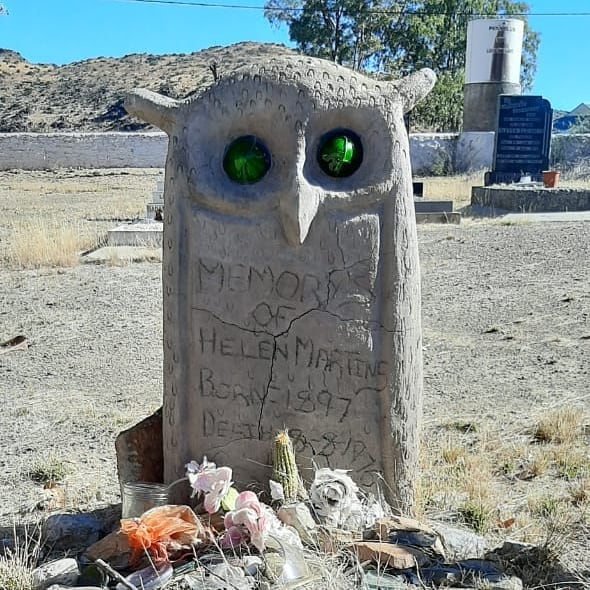
Miss Helen’s parents were buried in the Nieu-Bethesda Cemetery. There’s also an owl gravestone to her in the cemetery, although she was cremated and her ashes scattered in the Camel Yard of the Owl House.