
History of Jansenville
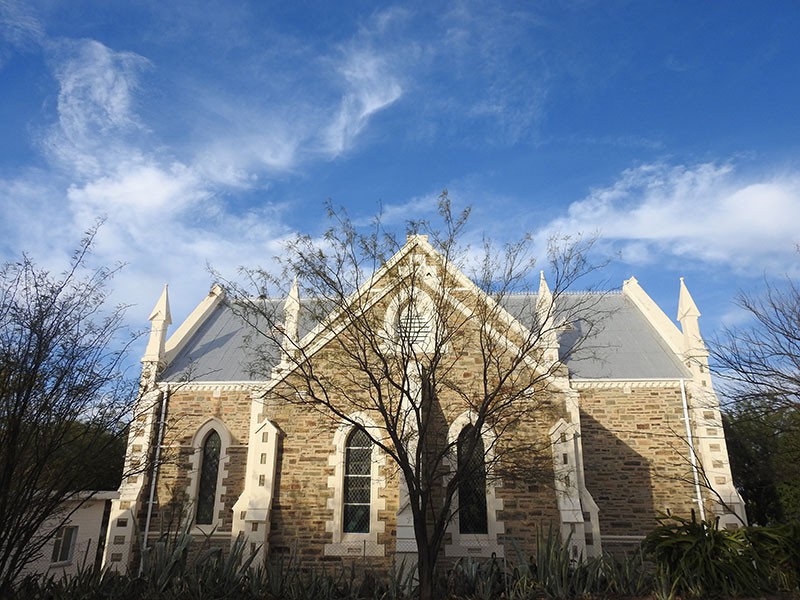
Jansenville is located in the Noorsveld, an area known for its dry, arid climate and its abundance of succulents, and is about 90 kilometers from Graaff-Reinet. The site of the town was first surveyed in 1814 and named Vergenoegd. This property was acquired in 1820 by Christiaan Ernst Schutte. He moved north and in 1838 Vergenoegd became the property of Petrus Jacobus Fourie from Swellendam, who began to cultivate the land along the river. This was the beginning of Jansenville’s history as a matter of record.
The need for a new parish was evident from 1848 and the establishment of the village in 1854 is largely due to the efforts of Minister Alexander Smith from Uitenhage.
Fourie arranged for the surveying and laying out of 80 plots on his property in order to establish a town. He had intended the town to be named Alexandria after Dutch Reformed minister Alexander Smith of Uitenhage, who visited the congregation once a quarter. By the time the application had reached Cape Town, the name Alexandria had already been granted to another settlement, so the place was then named Jansenville, after General Jan Willem Janssens, the last Dutch Governor of the Cape of Good Hope.
Jansenville quickly grew into a thriving agricultural community. The town’s location in the Noorsveld made it ideal for farming sheep and goats. In the late 19th century, Jansenville became a major center for the mohair industry. Angora goats are well-suited to the harsh climate of the Noorsveld, and their hair is highly prized for its softness and durability. The earliest Angora flock in the Jansenville district was established from stock imported by William Cary Hobson on the farm Martyrsford in 1871.
In 1874 work began on the first bridge over the Sundays River at Jansenville, which was completed the following year. Today the piers of this bridge stand next to the present bridge.
1876 saw the establishment of a police station at Jansenville with a force of two constables, as well as the appointment of a magistrate.
oday, Jansenville is still a major center for the mohair industry. The town is home to the South African Mohair Growers Association and the Angora Goat Breeders Society of South Africa. Jansenville is also known for its production of wool, lucerne, and other agricultural products.
The outbreak of the 2nd Anglo Boer War in 1899 pitted the many the Dutch speaking residents against their English neighbours. Although a number of the Dutch inhabitants were loyal to the Colonial Administration the majority favoured the cause of the Boers. This resulted in Martial Law and the town and district came under military occupation under the command of a Captain Gould.
In January 1901 the Town Guard decided to fortify the town against the growing threat of lightning raids by Boer Commandos and constructed two blockhouses and the Jansenville Fort. The fort still stands on the hill immediately to the north of the village.
The town is also home to a number of historical buildings, including the Dutch Reformed Church and Jansenville Museum. The Dutch Reformed Church was built in 1860 and is a fine example of Cape Dutch architecture while the Jansenville Museum is housed in a restored Victorian building and exhibits artifacts from the town’s history.
Jansenville is a quiet, rural town with a rich history. The town is home to a friendly and welcoming community and is a great place to visit if you are interested in mohair production, agriculture, or South African history.
Follow Us
Follow us on our Karoo adventures.
Subscribe
