
History of Bedford and Adelaide
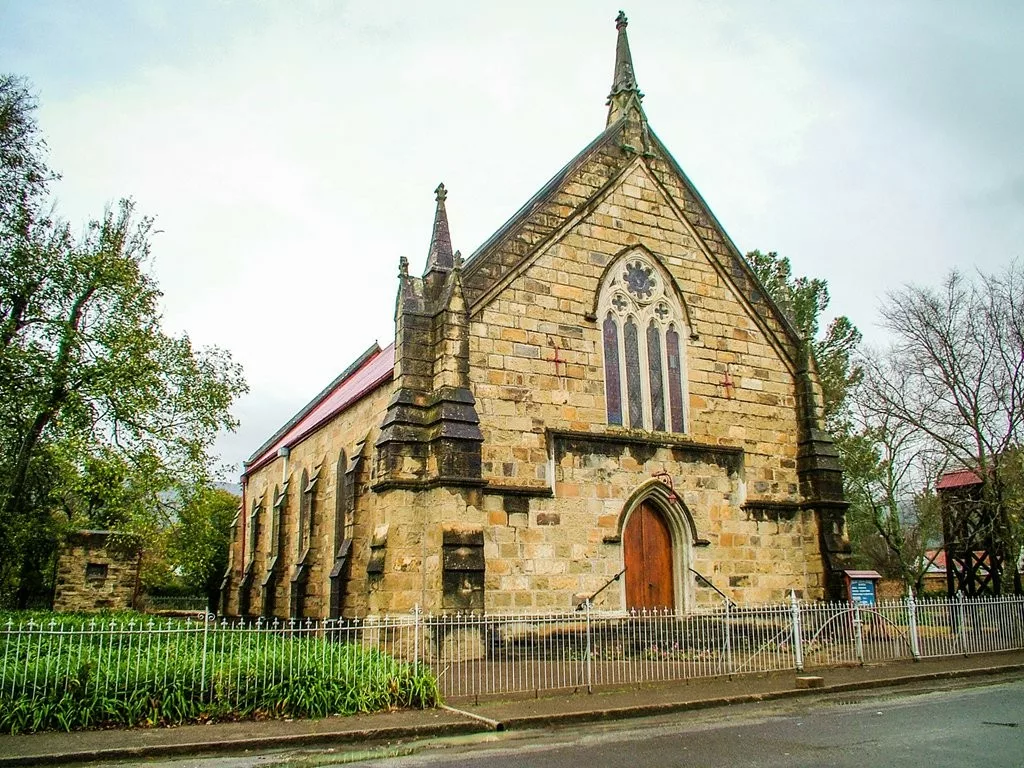
The history of the towns of Bedford and Adelaide can be traced back to the early 1800s.
The San (“Bushmen”) were the original inhabitants of this area. A hunter-gatherer way of life has meant that they have left little in the way of artefacts. They are best remembered for their wonderfully natural record of wildlife in their rock art, of which there is a fine legacy in the district.
With the coming of the black Bantu speaking people from the east and the white Afrikaans speaking people from the west, the San were displaced northwards, never to return.
When the British took over the Cape from the Dutch in the early 1800s, they established a military post on the southern bank of the Koonap River (a name derived from the San “Gonappe”). This is today the farm Haddon, just to the south of Adelaide.
In an attempt to stabilise the frontier, the British began to introduce settlers into the region; the well-known 1820 British Settlers. The settlers established several farms in the Bedford area, with the Scottish settling in the Baviaans River Mountains to the north and the English mainly in the Albany district to the south. Many Scottish settlers also established themselves in the now Adelaide district, especially in the Mankanzana River valley. It was they who erected the first church in the district, at Glen Thorn.
In the 19th century, a number of wars took place between the British and the Xhosa. The most notable of these wars was the Sixth Frontier War of 1834-1835. The war ended with the British victory, and the Xhosa were forced to cede a large amount of territory to the British.
In 1834, Captain Armstrong established a larger military encampment, which he named Fort Adelaide after the wife of King William IV. The town of Adelaide subsequently grew up out of this.
The town of Bedford was founded in 1854. It was named after the Duke of Bedford, a friend of Sir Andries Stockenström, the Lieutenant Governor of the Cape Colony at the time.
In Great Trek began in 1835 and many Afrikaans-speaking inhabitants left the area to migrate northwards in search of new lands to settle, free from government interference. This thinning-out of the population exacerbated the frontier problem and in 1836, a fort was built at Post Retief, north east of Adelaide, which could serve as a refuge for farmers and their workers during raids.
Bedford quickly became a major center for trade and commerce in the region. The town was also home to a number of schools and churches, and it became a cultural hub for the local farming community. In the 20th century, Bedford continued to grow and prosper but the town suffered a major decline in fortunes in the latter half of the 20th century before reviving itself around the turn of the millennium. It is regarded today as an artist’s haven and retirement village.
Follow Us
Follow us on our Karoo adventures.
Subscribe
