
History of Steynsburg and Hofmeyr
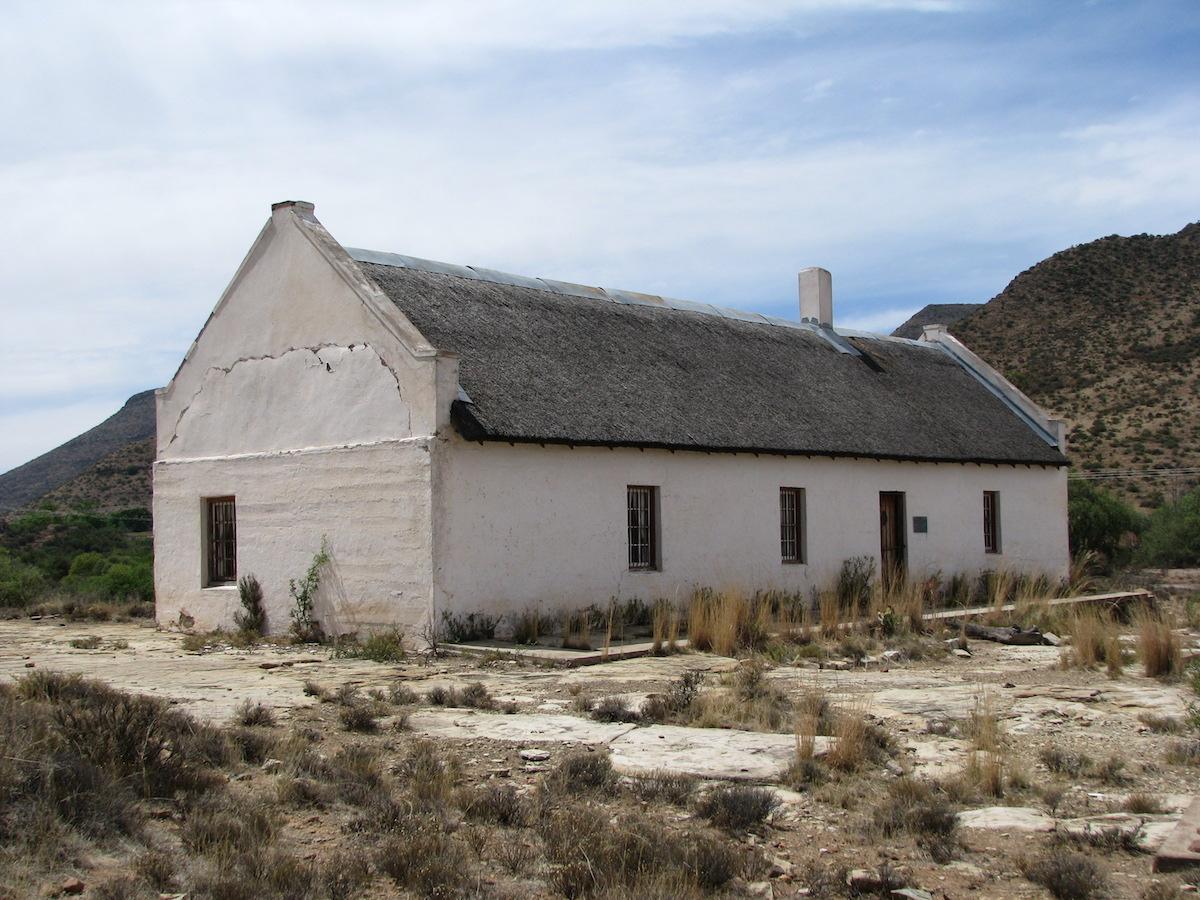
Steynsburg was founded in 1872 by Andries Petrus Johannes Steyn, who was born in the area in 1823. The town was named after Douwe Gerbrandt Steyn, the grandfather of President Paul Kruger.
The earliest inhabitants of the area were the Khoikhoi people. In the 18th century, the area was settled by white farmers, who primarily raised sheep.
Steynsburg was established as a trading post and service center for the surrounding farms. The town developed around the Reformed Church which was established in 1872 and was administered by a village management board under the Reformed Church. In 1874, 22 plots were given to the Dutch Reformed Church and construction started on the first DRC building and the congregation was formed a year later.
The town is home to several historical buildings, including the Reformed Church, Dutch Reformed Church and Bulhoek, where former president Paul Kruger was born.
————————————————————————————-
Hofmeyr is located about 63km northeast of Cradock and was founded in 1873. The village originated when travellers from Middelburg, Cradock, Molteno, Tarkastad and Steynsburg began using it as a stopover. The routes from the towns to Hofmeyr are just far enough for a team of oxen to take a day’s journey to reach Hofmeyr.
In 1873, the Marais brothers made a piece of land available for the establishment of a church and a school. The town was initially named Maraisburg but as there was already another town in the Transvaal with the same name, it was decided to rename it to Hofmeyr in 1911. This was in honour of Jan Hendrik Hofmeyr – an ardent campaigner for the equal treatment of Afrikaans and English, and a prominent figure in the Eerste Taalbeweging.
The first few years were difficult, as the area was sparsely populated and there was little infrastructure. However, the town gradually grew and prospered, thanks to its strategic location on one of the trade routes between Port Elizabeth and Johannesburg.
The first train ran through Hofmeyr in 1912. There has been a small school here since 1876, with the current school buildings built in 1912 from sandstone from the Bamboesberge.
In 1952, a major archaeological discovery was made near Hofmeyr. A team of researchers found the Hofmeyr Skull, a 36,000-year-old anatomically modern human skull. The discovery was significant because it provided evidence that humans had been living in South Africa for much longer than previously thought.
Follow Us
Follow us on our Karoo adventures.
Subscribe
