
Norvalspont Bridge
Description
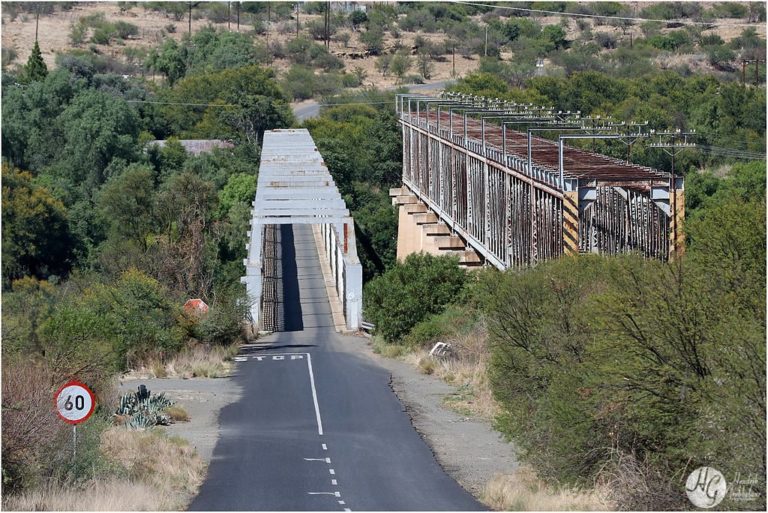
The tiny hamlet of Norvalspont sits astride the old main road from Colesberg across the Orange River towards Springfontein and Bethulie in the southern Free State. Today, Norvalspont is a quiet backwater, with its primary attraction the atmospheric pub in the old Glasgow Pont Hotel. Norvalspont slumbers in the warm Karoo sunshine on the southern bank of the Orange River, and the old railway bridge and the road bridge are seldom used, given the demise of railway services in South Africa in recent years and the construction of the N1 highway to the west of the hamlet.
Norvalspont has its origin as a farm which was established by one Petrus Brits on 15 March 1835. The farm, which he named Dapperfontein, or Brave Fountain, was awarded to Brits by Sir Benjamin D’Urban, Governor of the Cape Colony at the time.
He then proceeded to sell the farm to John Norval, a native of Glasgow in Scotland, who had recently arrived in the Colony, together with his two brothers. The Norvals were comb makers and the abundant supply of tortoises to be found on the farm provided an almost limitless supply of tortoise shell, the optimum material for the finest combs. They also set themselves up as sheep farmers and turned their hand to the production of broad-brimmed felt hats.
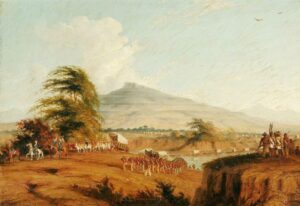
Tensions developed between Boer and the British in the aftermath of the Great Trek in the territories of Trans Oranje to the north of the Orange River. This development was not well received by Voortrekker leader Andries Pretorius, who gathered a strong commando behind him and, moving south, occupied the newly established settlement of Bloemfontein on 17 July 1848. Governor Sir Harry Smith was furious when the news and sent a small army to Colesberg, and from there to Dapperfontein.
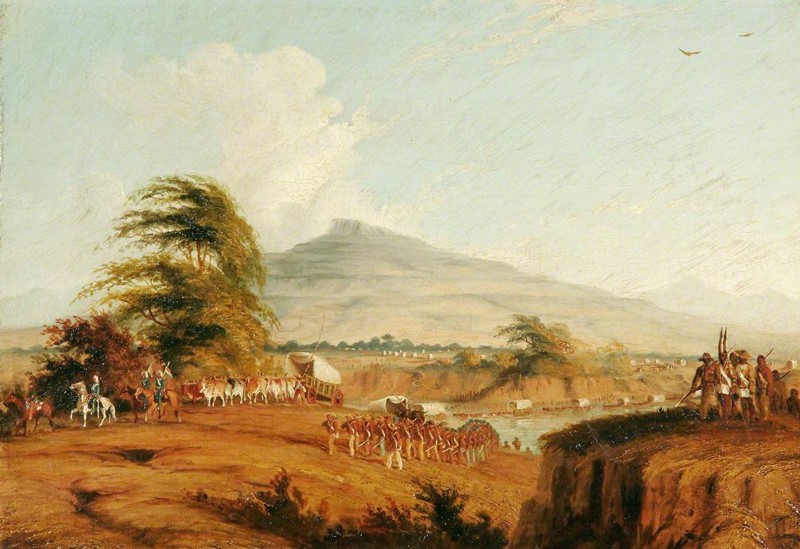
Sir Harry Smith’s small army crossed the Orange River at Dapperfontein using inflatable rubber boats, as the river was flowing strongly. After the battle of Boomplaats, fought between the Boers under Pretorius and the British in the vicinity of Jagersfontein on 29 August 1848, at which the Boers were defeated, the British column advanced on the small hamlet of Winburg.
Entrepreneurial John Norval saw the potential of establishing a profitable ferry service for travel across the until-then unbridged Orange River. The rubber inflatables left over from Sir Harry Smith’s expedition quickly perished in the hot Karoo sun, so a sturdy wooden pont was constructed. The pont was designed to carry a trek wagon, oxen and other impedimenta across the river at a cost of £1 a trip, a small fortune at the time.
With many Boers trekking north, Norvalspont, as it became known, became the favoured river crossing for the trekkers and other travellers who needed a reliable means of crossing the Orange River. During the 1840s the Norvals diversified their business with the construction of a hotel and bar at Norvalspont and this facility became known as the Glasgow Pont Hotel. The Hotel remains open to this day.
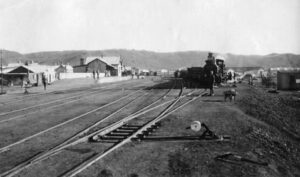
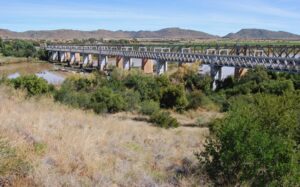
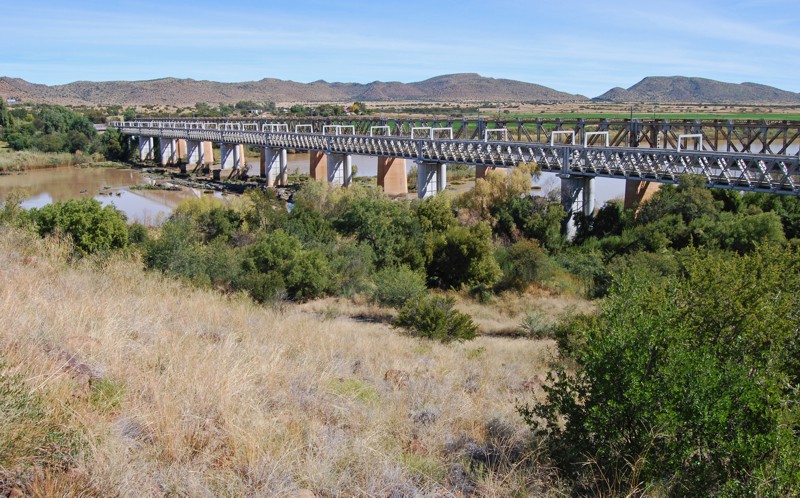
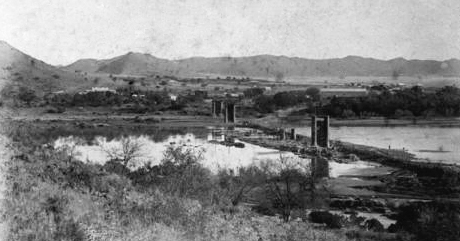
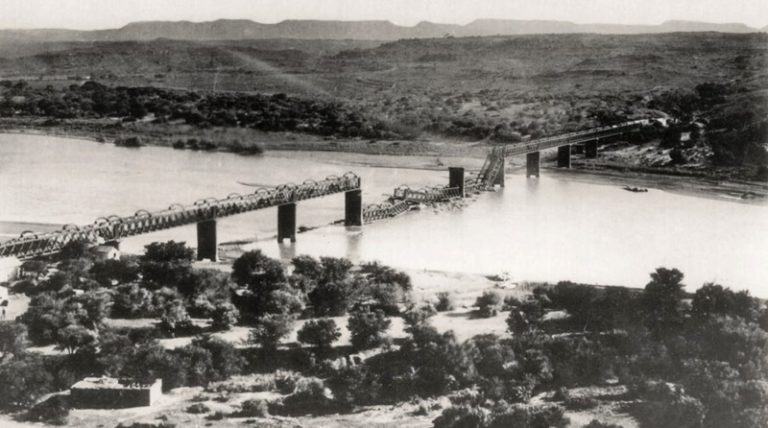
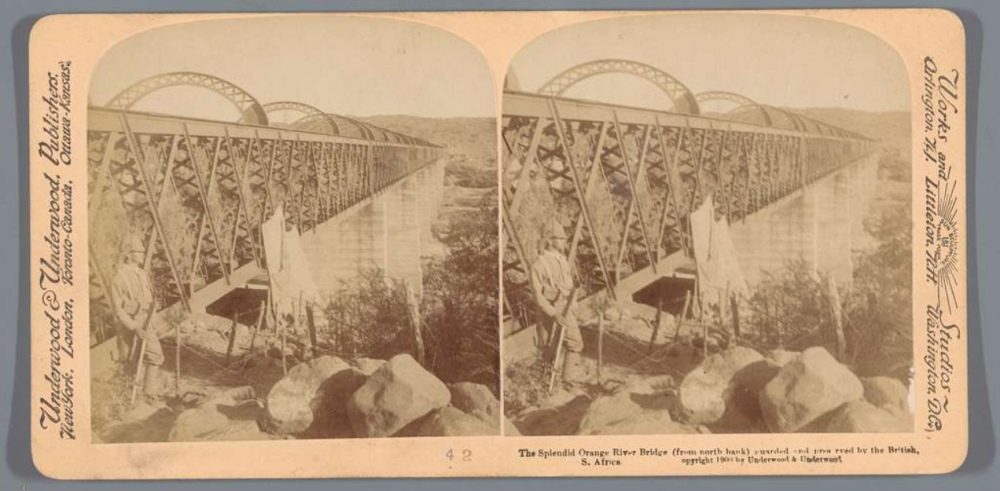
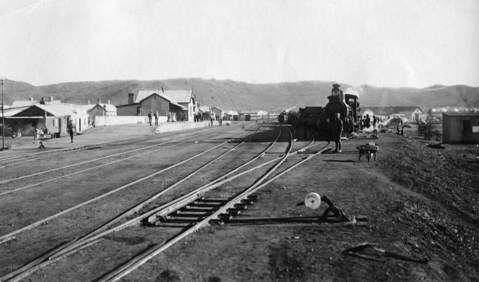
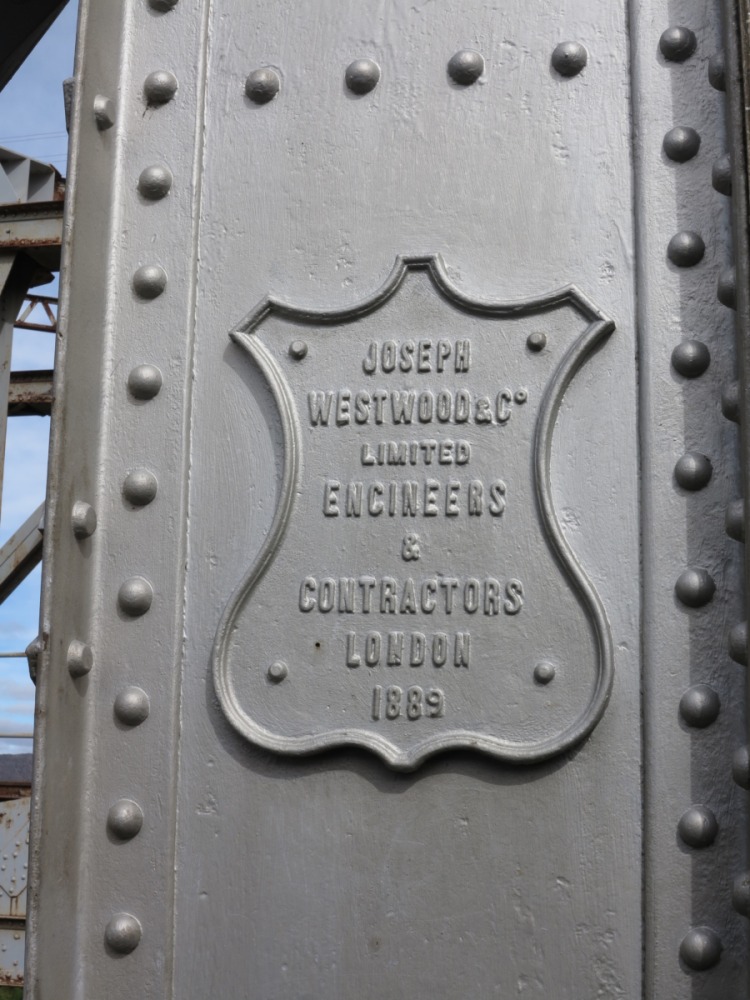
On 17 December 1890 the ferry was replaced by a new railway bridge, when the railway line from Noupoort Junction to Bloemfontein was opened. Norval’s Pont became Norval’s Pont Bridge Station. The bridge was an impressive 500-metres in length and constructed on eleven columns of solid concrete. The bridge at the time was considered to be the finest in South Africa, and the steel bridge sections were manufactured in Britain and shipped out to South Africa to be assembled on site. The Norvals’ ferry business declined and ultimately they went back to farming and managing the Glasgow Pont Hotel.
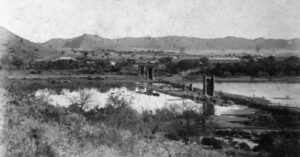
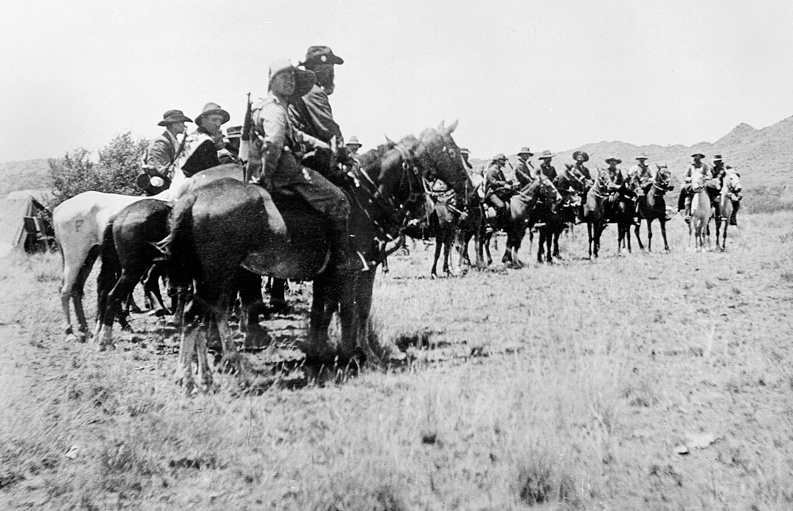
The second Boer War began on 11 October 1899. One of the first actions of the war began when Koos De La Rey and Christiaan De Wet launched an attack on the British across the railway bridge. Dapperfontein farm was occupied by the Boers and declared a new addition to the Orange Free State. But with the advancing British Troops the Boer forces retreated across the bridge and blew up 3 of its central columns on 5 March 1900.
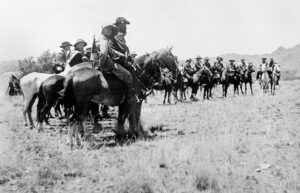
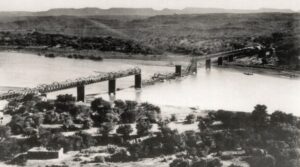
A few days after the destruction of the bridge, the British sappers constructed a pontoon bridge so that the soldiers could cross the Orange River. The area around the bridge was fortified by the British. Remains are still visible today of the fortifications and the blockhouse.
Today Norvalspont is a quiet backwater, with its primary attraction the atmospheric pub in the old Glasgow Pont Hotel. Norvalspont slumbers in the warm Karoo sunshine on the southern bank of the Orange River, and the old railway bridge and the road bridge are seldom used, given the demise of railway services in South Africa in recent years and with the construction of the N1 highway to the west of the hamlet.
Contact Info
- Norvalspont