Few writers have captured the soul of South Africa quite like Athol Fugard, and few places left such a profound mark on his work as the Karoo Heartland. While he was born in Middelburg in the Eastern Cape on 11 June 1932, it was the tranquil village of Nieu-Bethesda, nestled beneath the towering Compassberg, that became one of his greatest sources of inspiration. Here, among the dusty streets, flowing water furrows and timeless Karoo landscapes, Fugard created some of the most memorable works of his celebrated career.
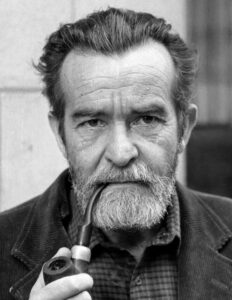
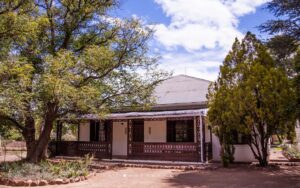
Already internationally renowned for powerful anti-apartheid plays such as Sizwe Banzi Is Dead (1972), Boesman and Lena (1969), and Master Harold and the Boys (1982), Fugard found in Nieu-Bethesda a place of reflection and creativity. He purchased a modest Karoo home in the village and spent many years writing and living there, drawn by its quiet atmosphere and remarkable characters.
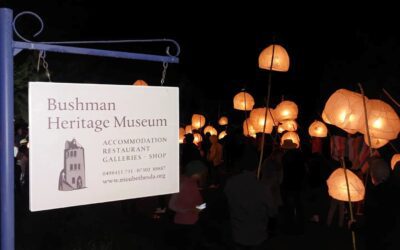
His most famous local connection is undoubtedly The Road to Mecca (1985), a play inspired by the extraordinary life of outsider artist Helen Martins and her world-famous Owl House. Fascinated by her story and artistic vision, Fugard transformed her life into a moving theatrical work that introduced audiences around the globe to both Helen Martins and the unique spirit of Nieu-Bethesda. The success of the play played a significant role in placing the tiny Karoo village firmly on South Africa’s tourism map, with countless visitors arriving to experience the place that inspired both artist and playwright.
The Karoo itself became almost a character in Fugard’s writing. Its vast open spaces, silence and isolation provided the perfect backdrop for exploring themes of freedom, identity, loneliness and human resilience. The landscape’s simplicity allowed him to focus on the complexities of human relationships while grounding his stories in an unmistakably South African setting.
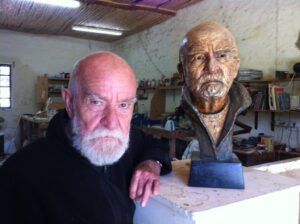
Several of his later works, including Valley Song and Coming Home, are also rooted in Nieu-Bethesda and reflect the people and rhythms of Karoo life. Through these plays, Fugard celebrated the dignity, humour and struggles of ordinary South Africans while paying tribute to the community that had become his second home.
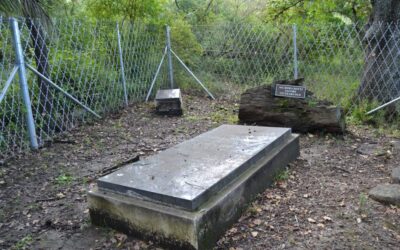
Even after spending much of his later life abroad, Fugard maintained deep ties to the village. His home remained an important landmark for literary enthusiasts, and his affection for the Karoo never faded. He even expressed a wish to be buried in Nieu-Bethesda, reflecting the profound connection he felt to the landscape that had inspired so much of his work. Fugard’s final resting place has never been disclosed.
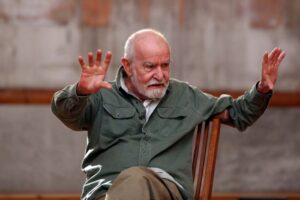
Today, visitors travelling through the Karoo Heartland can still sense the atmosphere that captivated one of South Africa’s greatest playwrights. A stroll through Nieu-Bethesda, a visit to the Owl House or simply sitting beneath the immense Karoo sky offers a glimpse into the world that shaped Athol Fugard’s imagination. His legacy lives on not only in theatres around the world but also in the quiet streets and enduring spirit of this remarkable corner of the Eastern Cape.
Athol Fugard passed away on 8 March 2025 in Stellenbosch at the age of age 92 years.