Cookhouse
Description
The Great Fish River that runs past Cookhouse formed the eastern boundary of the Cape Colony until 1819. Today, Cookhouse is located on what used to be part of the Roodewal farm.
Frans Johannes van Aardt (born in the Somerset East district on 12 September 1777 and died at Roodewal in 1856) farmed at Roodewal from 1797. Frans Johannes was married twice; first to Susanna Wilhelmina Tregardt on 21 October 1798. She died in 1825, after which he married Maria Johanna Mentz in 1826.
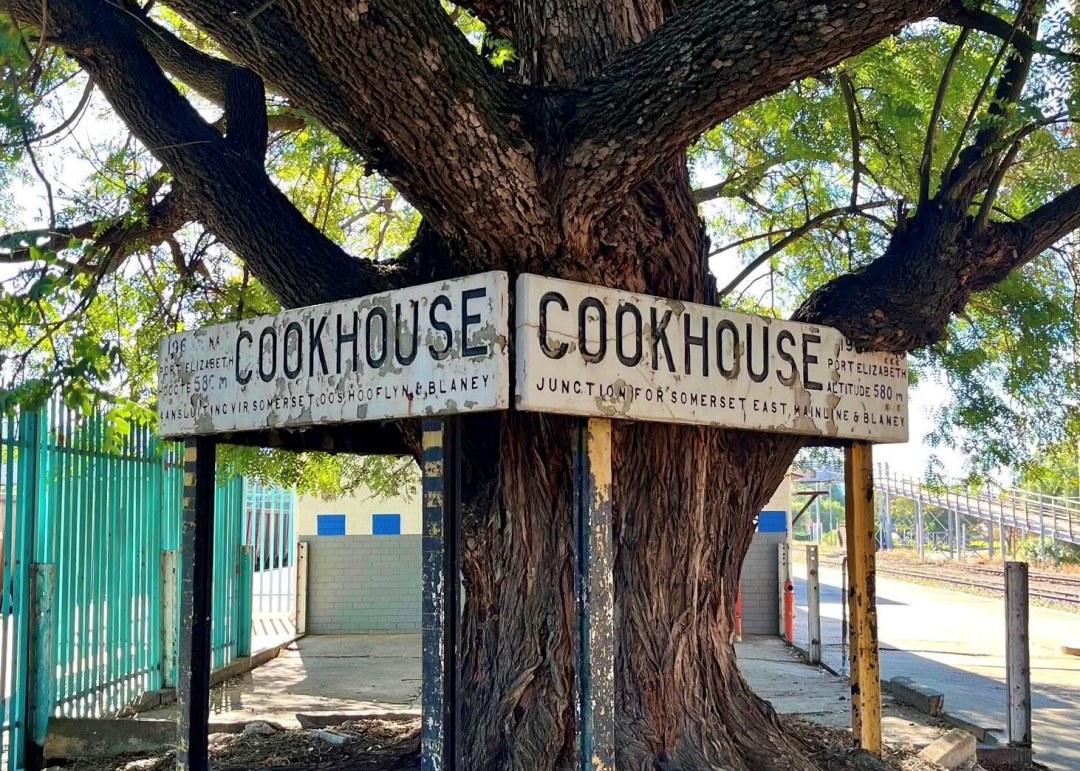
The crossing point over the Fish River was located nearby. Riders and soldiers would camp here waiting to cross the river. It is said that Susanna van Aardt supplied provisions to these soldiers and travellers from her “cookhouse” (or outdoor kitchen). The cookhouse would have been a small stone building used for cooking, but also would have acted as shelter if the weather was bad. The spot would have been referred to by the soldiers as “The Cookhouse” and this is where the town’s name came from.
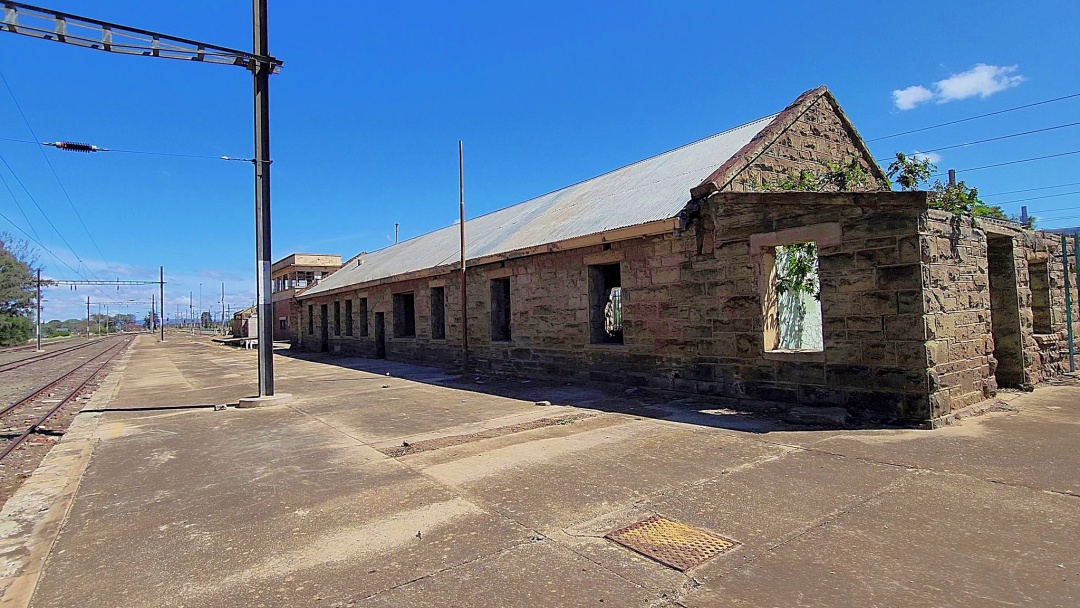
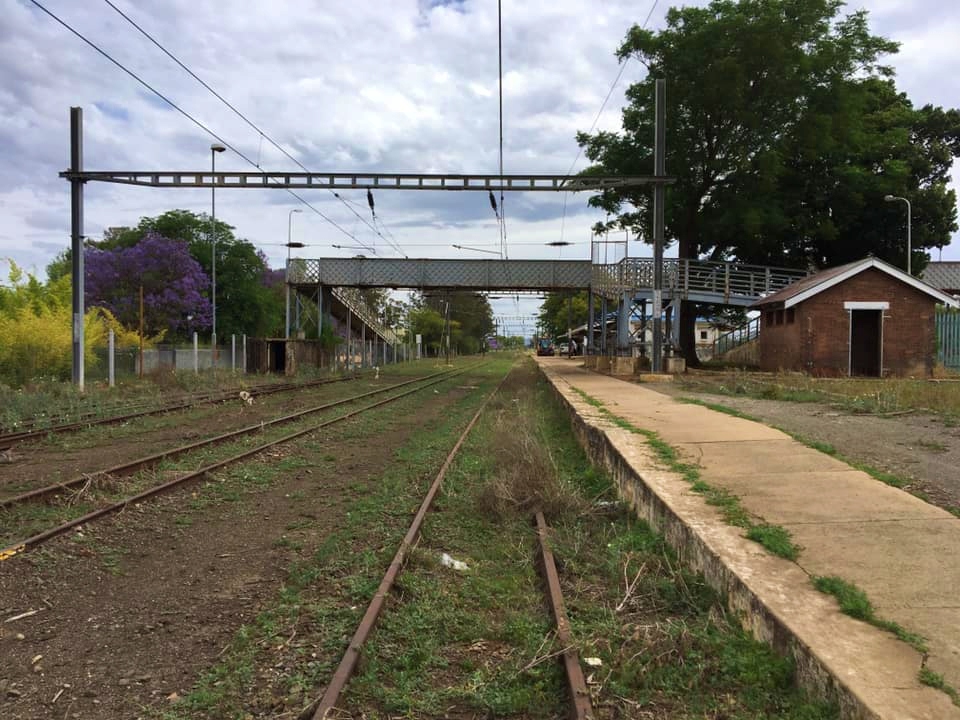
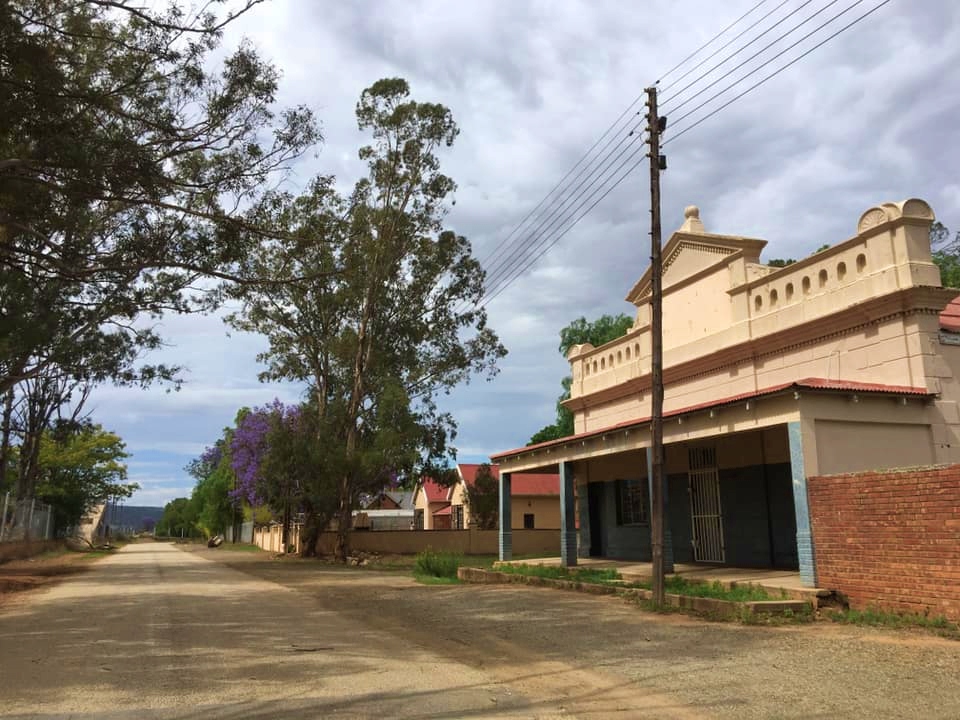
In the 1870s, the government of Prime Minister John Molteno oversaw a massive expansion of the Cape Colony’s railway system, and a route northwards to De Aar from Port Elizabeth and Port Alfred was chosen by the Cape Government Railways to pass through what is now Cookhouse. A station was built here, which became an important railway junction, and a small settlement formed around this connection. Sadly the railway has declined badly and big parts of the station is now dilapidated.
The station was immortalized by Chris Mann in his poem Cookhouse Station:
If you ever pass through Cookhouse Station
make certain you see what is there.
Not just the long neat platform beneath the escarpment
and the red buckets
and the red and white booms
but the Christmas beetle as well
which zings like a tireless lover
high in the gum-tree all the hot day.
And whether your stay is short
and whether your companions
beg you to turn away from the compartment window
does not matter, only make certain you see
the rags of the beggarman’s coat
before you choose to sit again.
And even if there might be no passengers
waiting in little heaps of luggage when you look
make certain you see
the migrant worker with his blankets
as well as the smiling policeman,
the veiled widow as well as the girl
the trainee soldiers whistle at, otherwise
you have not passed that way at all.
And if it is midday in December
with a light so fierce
all the shapes of things tremble and quiver
make certain you see
the shades of those who once lived there,
squatting in the cool of the blue-gum tree
at ease in the fellowship of the after-death.
And if you ever pass through Cookhouse Station
make certain that you greet those shades well
otherwise
you have not passed that way at all.