
Cradock Mother Church

Description
The Cradock Dutch Reformed congregation is the eleventh-oldest congregation of the Dutch Reformed Church in South Africa and the third-oldest in the Synod of the Eastern Cape. It is the mother congregation in the town of Cradock, which is also home to the Cradock-North (1966) and Cradock-East (1951) congregations.
After the First Frontier War of 1812, the governor, Sir John Cradock, decided to strengthen the frontier by establishing two sub-magistracies, offshoots of Uitenhage and Graaff-Reinet, to serve as military outposts in the event of further attacks by the Xhosa. One later became Cradock and the other Grahamstown. Sir John Cradock visited the site in 1814 and approved it as a location for a town. The government purchased the farm, and it was Andries Stockenström, then deputy magistrate, who suggested that the new town be named Cradock.
A local congregation of the Dutch Reformed Church was established shortly after in 1818. However, little is known about the earliest history because the congregation’s first minute book went missing under unexplained circumstances. It is well known, though, that Rev. John Evans was the first minister; he was inducted in 1818 and died in office in 1823, after a five-year tenure.
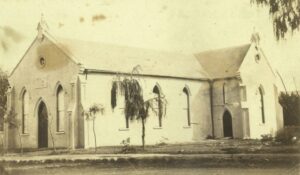
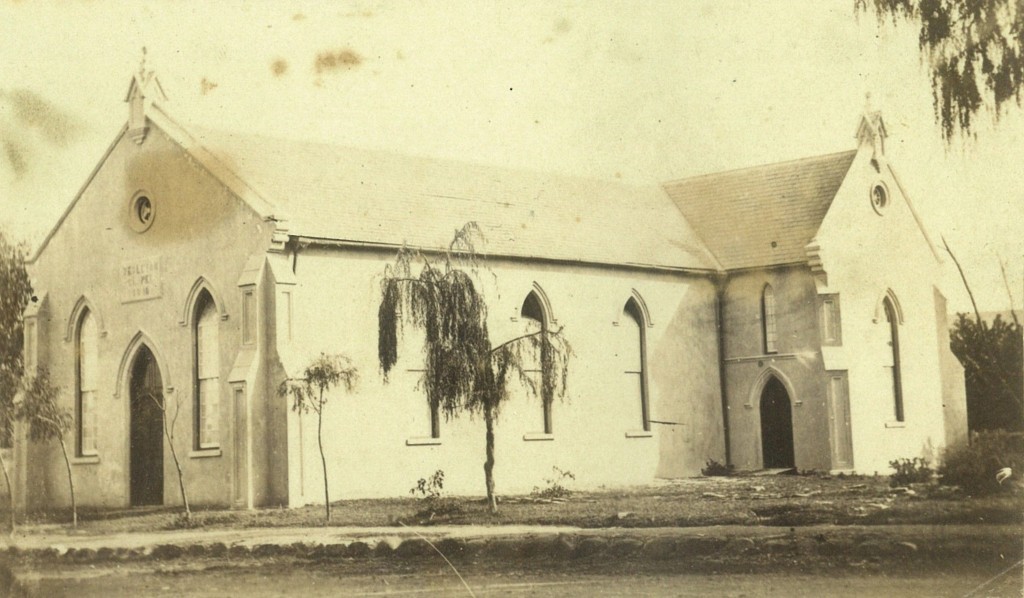
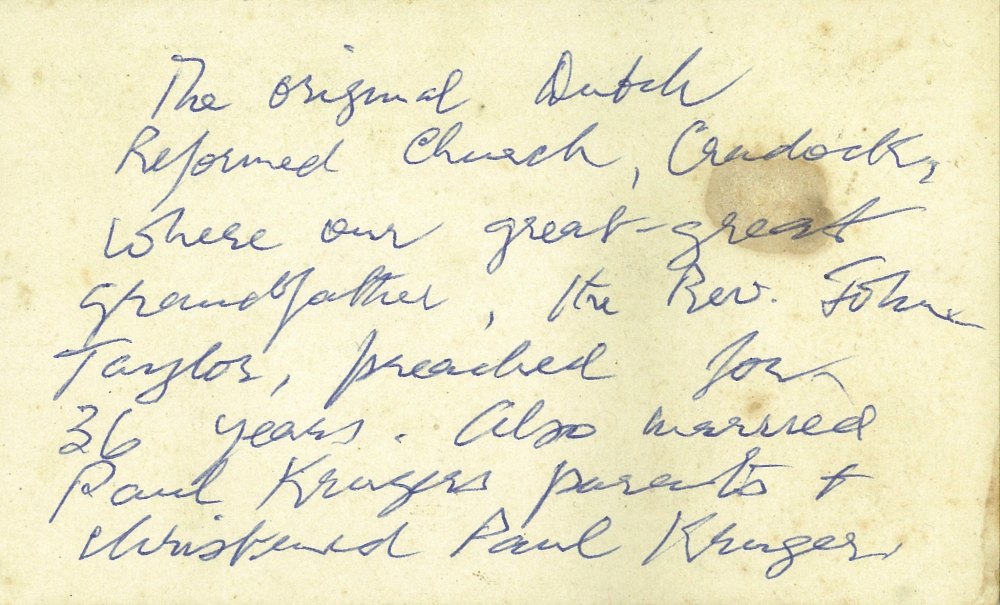
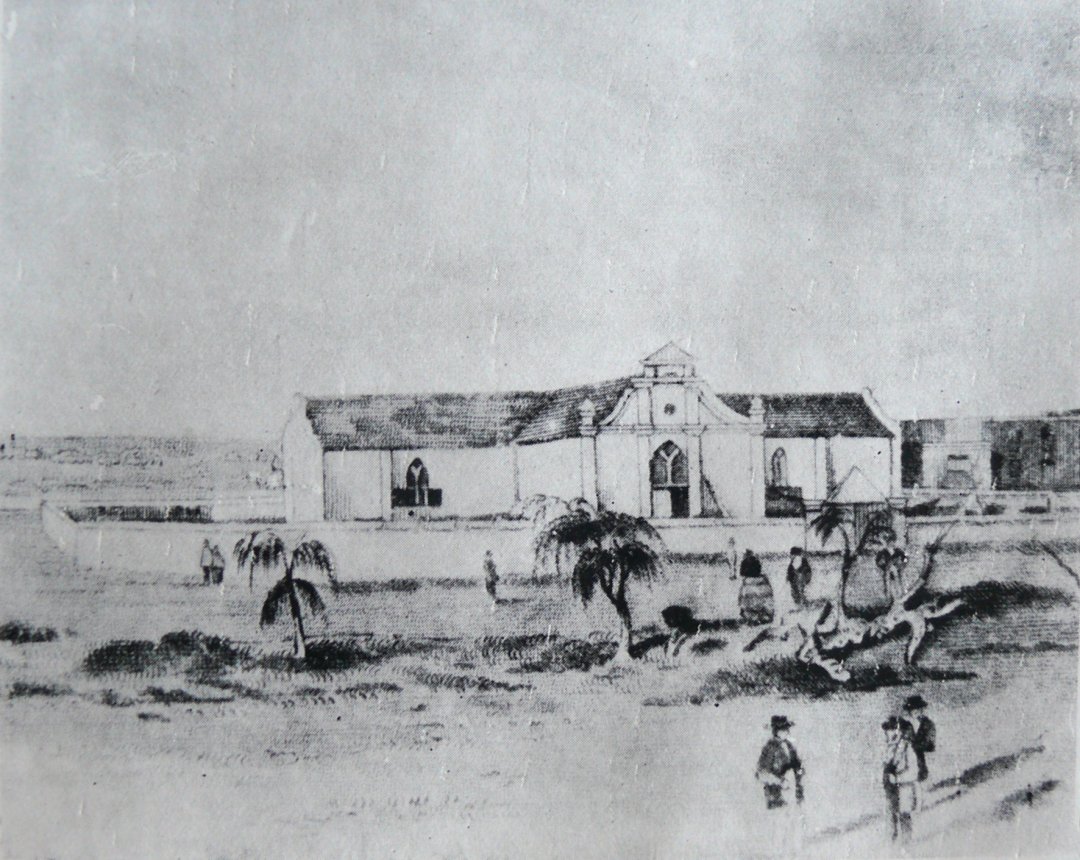
The first Dutch Reformed church was built around 1824. Paul Kruger, who went on to become the President of the Transvaal Republic, was born on a farm at Bulhoek near Steynburg in 1825 and was christened in the original church. His name appears in the register. An interesting snippet of Paul Kruger’s birth and baptism in Cradock is that his birth is generally celebrated as 10 October 1825, while his baptism entry in the Cradock DRC register records it as 1 October 1825 with the 1 virtually right adjacent to the “O” of October, which could indicate that he was actually born on 1 October. A copy of this baptism register is in the National Archives in Pretoria.
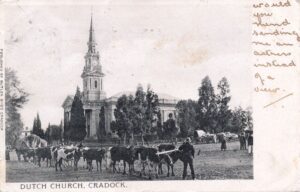
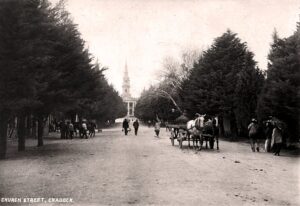
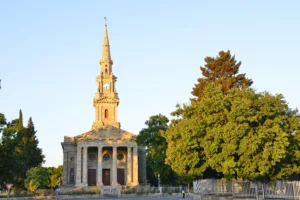
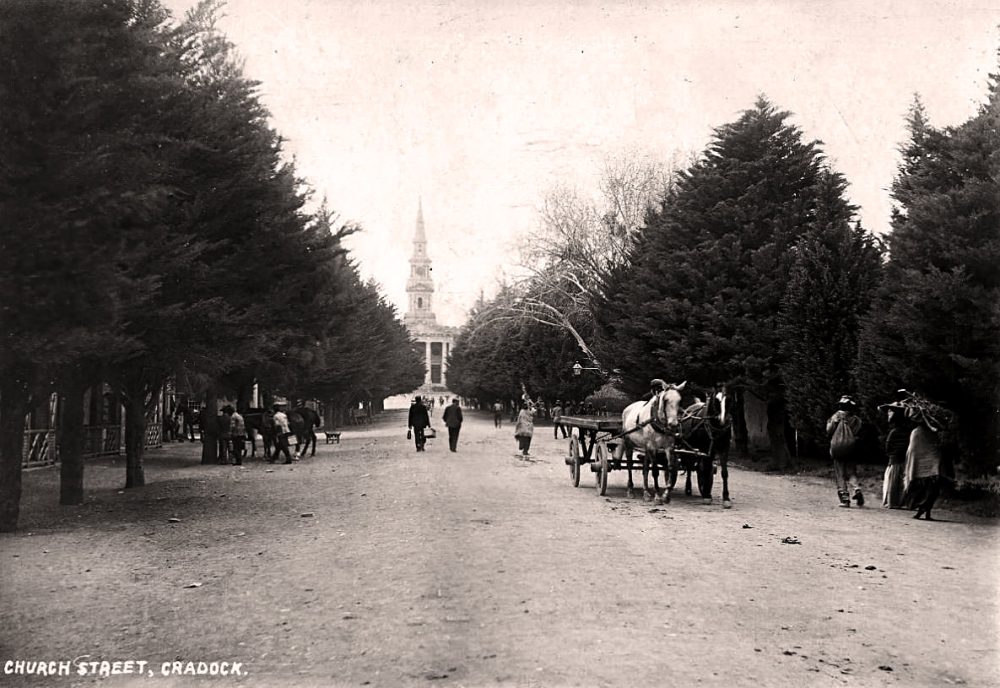
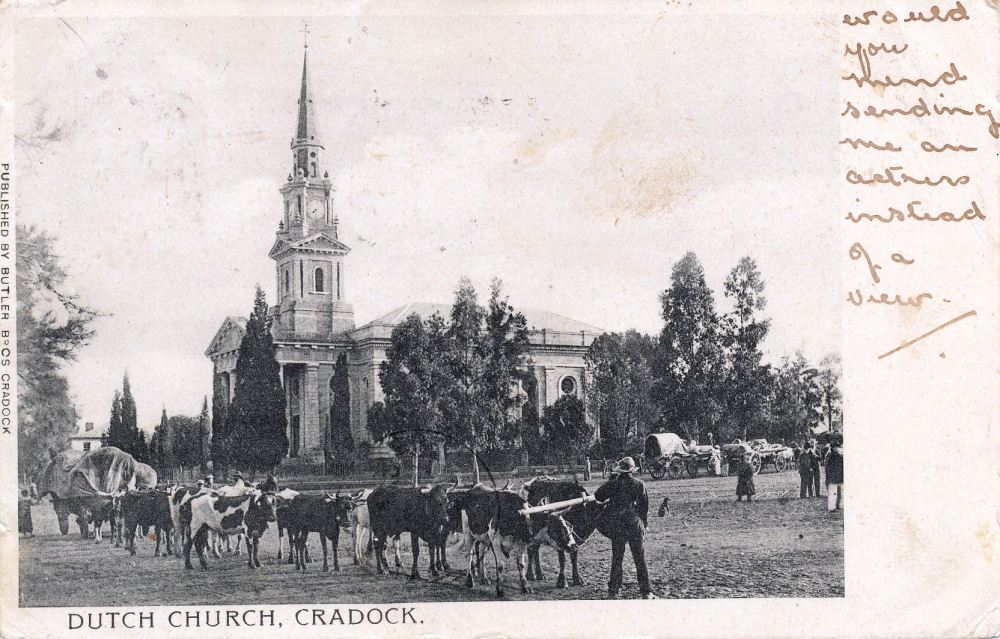
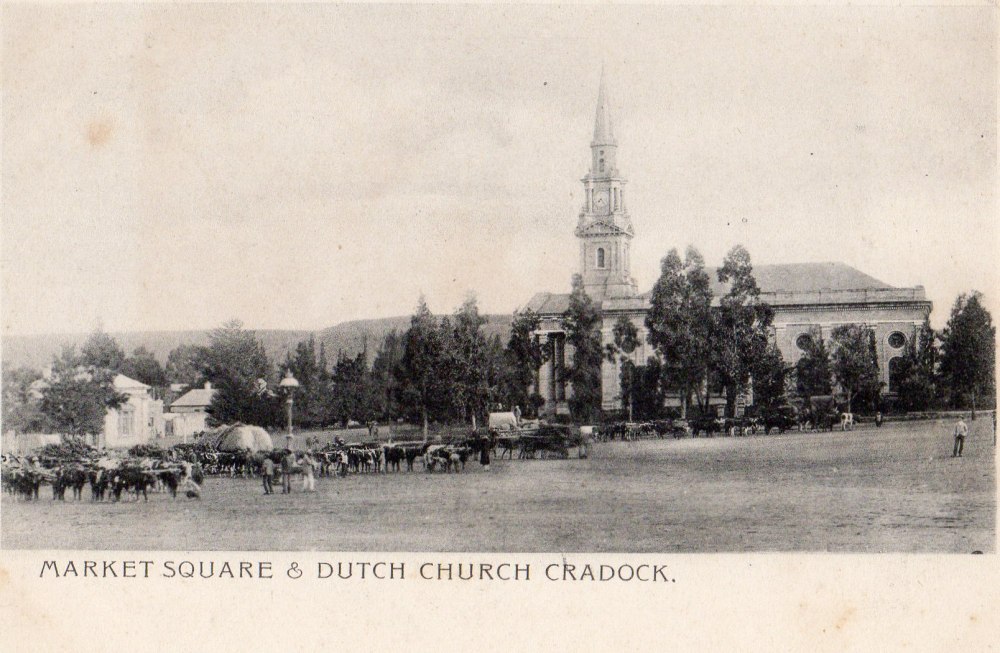
The present Dutch Reformed Mother Church building, situated on the upper end of Church Street, was completed on the original site of the first church in 1868 at an apparent cost of some £24,500. The building’s design was based on St. Martins-in-the-Field on Trafalgar Square in London. At the opening ceremony, the builder refused to hand over the door keys as he hadn’t been paid for everything owned to him. Appeals went out to those in attendance and an amount of money was raised on the spot, enough to satisfy the builder.
During the Anglo-Boer War (1899 – 1902) the church roof was used as a lookout post by the British troops who garrisoned the town, as it was the highest spot in town.


Contact Info
- Cradock