
Koffiebus and Teebus
Description
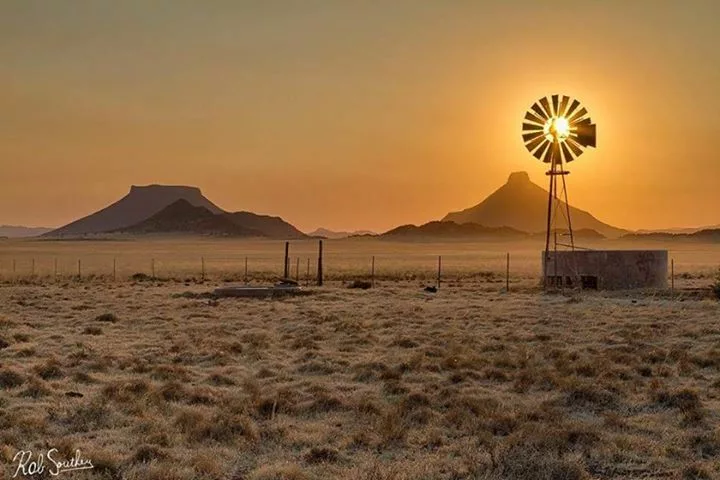
Outside Steynsburg are two very well-known Karoo landmarks. Koffiebus and Teebus, two Karoo koppies (flat Karoo mountains) are visible from the R390 between Steynsburg and Hofmeyr, while the R56 to Middelburg runs between the two mountains.
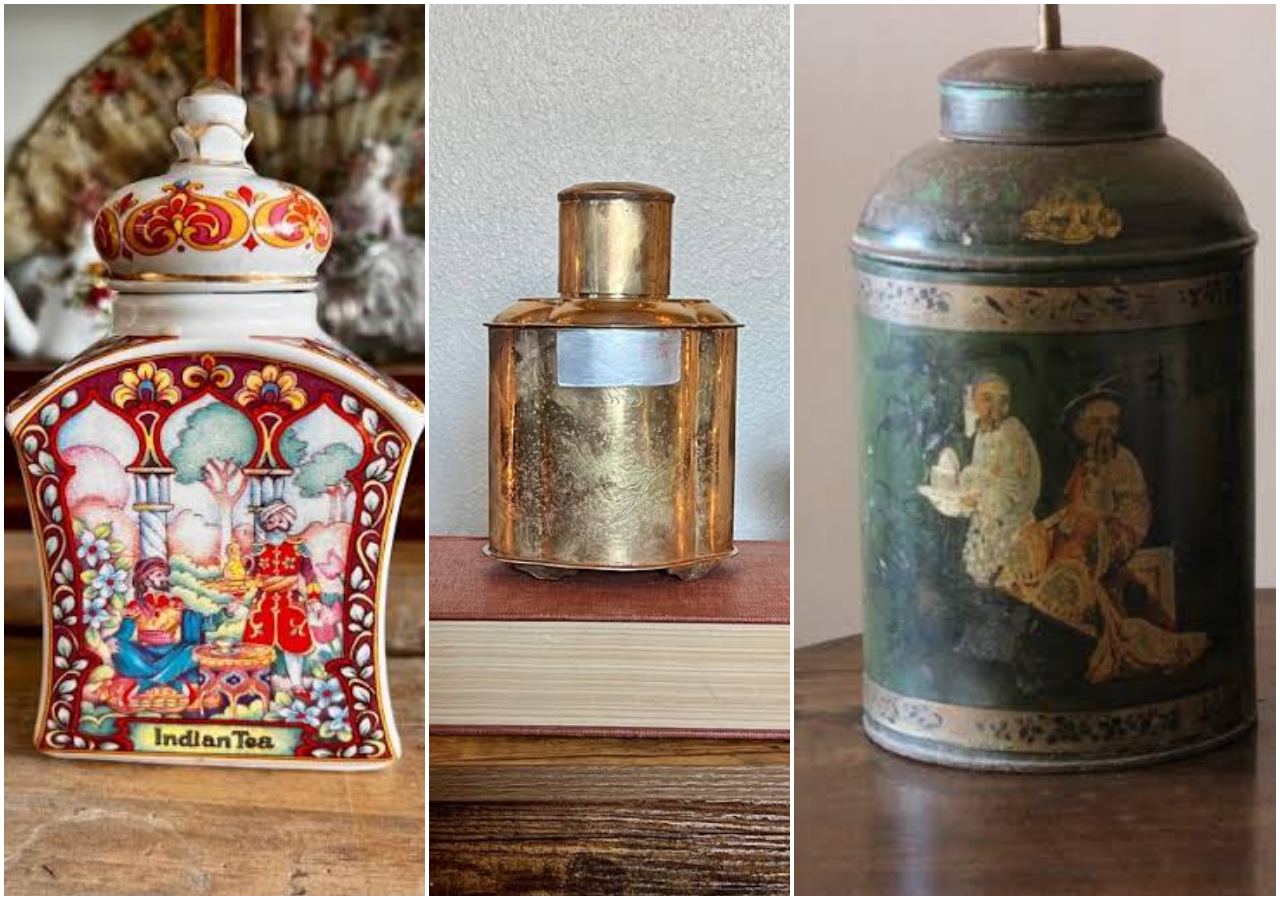
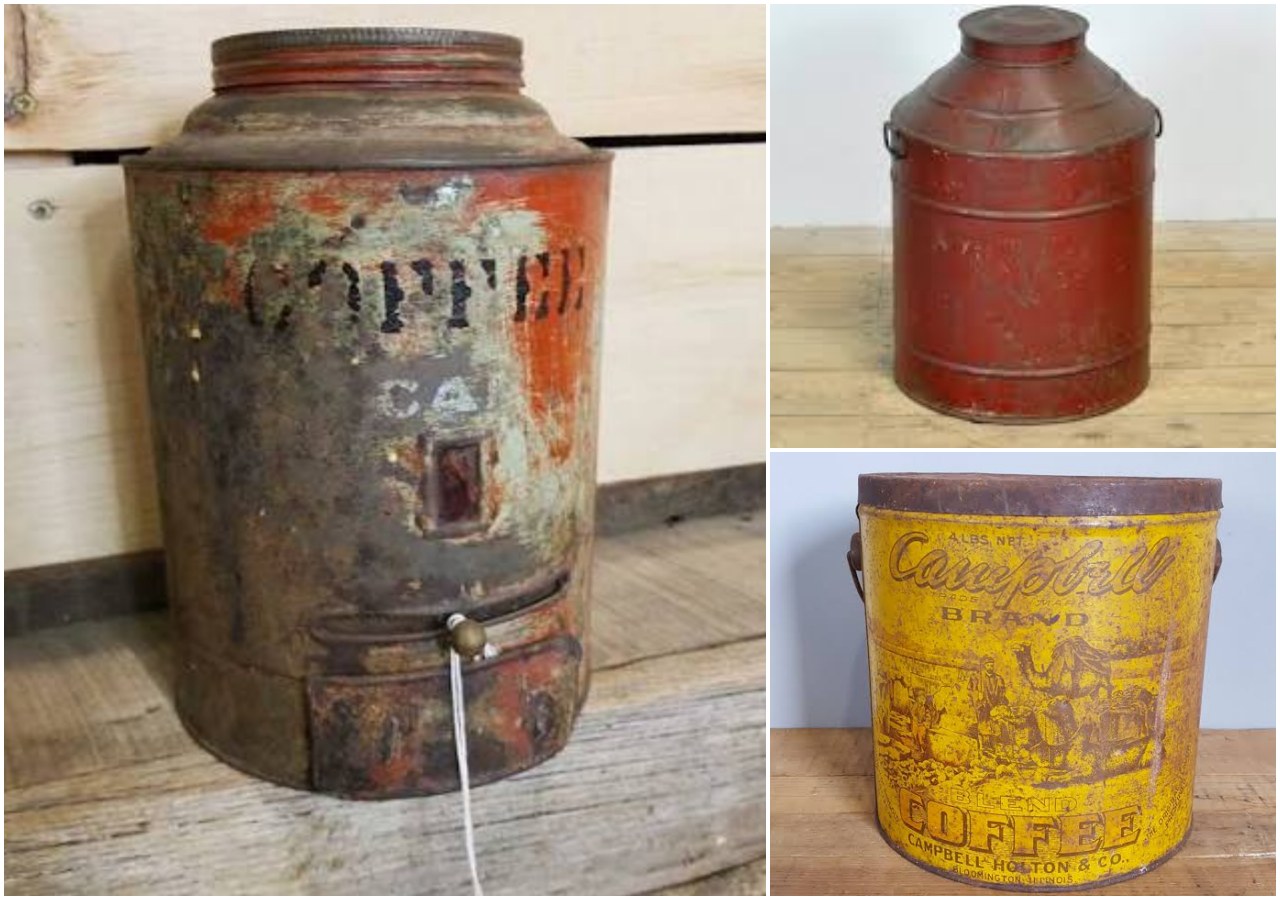
They were first named by the early Dutch trekboers in the area, who thought they looked like a coffee container and a tea container. In Dutch and antique contexts, a theebus is an ornate tea caddy or canister. These were used to store loose-leaf tea, which was an expensive luxury item in the 18th and 19th centuries. They were often a much narrower container than a koffiebus and had a tight-fitting, decorative cap on top. This lid often pulls off to double as a measuring cup for the tea leaves. A coffee container, on the other hand, was and still is a much larger and bulkier container.
Most sites wrongly refer to them as being named after a teapot and a coffee pot. Although that explanation is very close, not many trekboers would have been trekking with dainty teapots.
Throughout the Karoo it’s common to see flat-topped hills called Karoo Koppies along the horizon. Karoo Koppies hills are capped by hard, erosion-resistant dolerite sills. This is solidified lava that was forced under high pressure between the horizontal strata of the sedimentary rocks that make up most of the Karoo’s geology.
The outlet of the 82.5km long Orange–Fish Tunnel, built to divert water from the Orange River to the Fish River valley, is located at Teebus and from here the water continues further through canals and rivers


Contact Info
- 23km southwest of Steynsburg