Middelburg historic buildings
Description
Middelburg has a number of historic buildings, churches and monuments in addition to the main listings from the town on this website.
These main listings can be found on the following links:
Middelburg Dutch Reformed Church
Stoel Monument
Middelburg Mayor’s Garden monuments
P W Vorster Museum (Grootfontein)
Middelburg Gereformeerde Kerk
Middelburg Museum
Driefontein Farm
Other interesting places include:
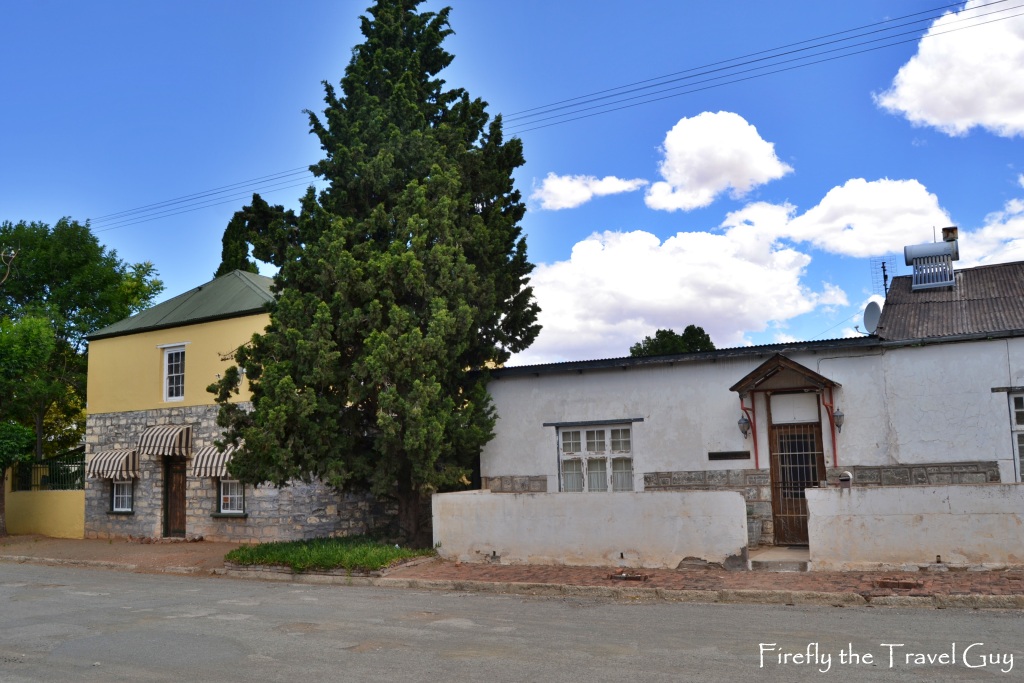
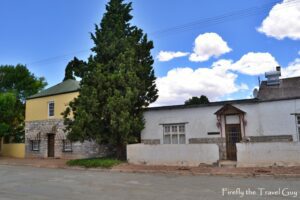
The Mill House (Smidstraat)
The mill originally belonged to the Dutch Reformed Church and was a Steam Roller Mill. In 1921 it was converted to a more modern mill, powered by an “oil machine” until electricity became available. The mill was taken over by Frikkie Wolfaardt, son of Lt Wolfaardt who was shot during the Anglo Boer War (Chair Monument). After Frikkie Wolfaardt retired due to poor eyesight, a Mr van der Linde operated the mill for a while but farmers started selling wheat to large millers and flour was also bought in bulk from businesses and the mill had to close. The mill was converted into a double-storey house.
.
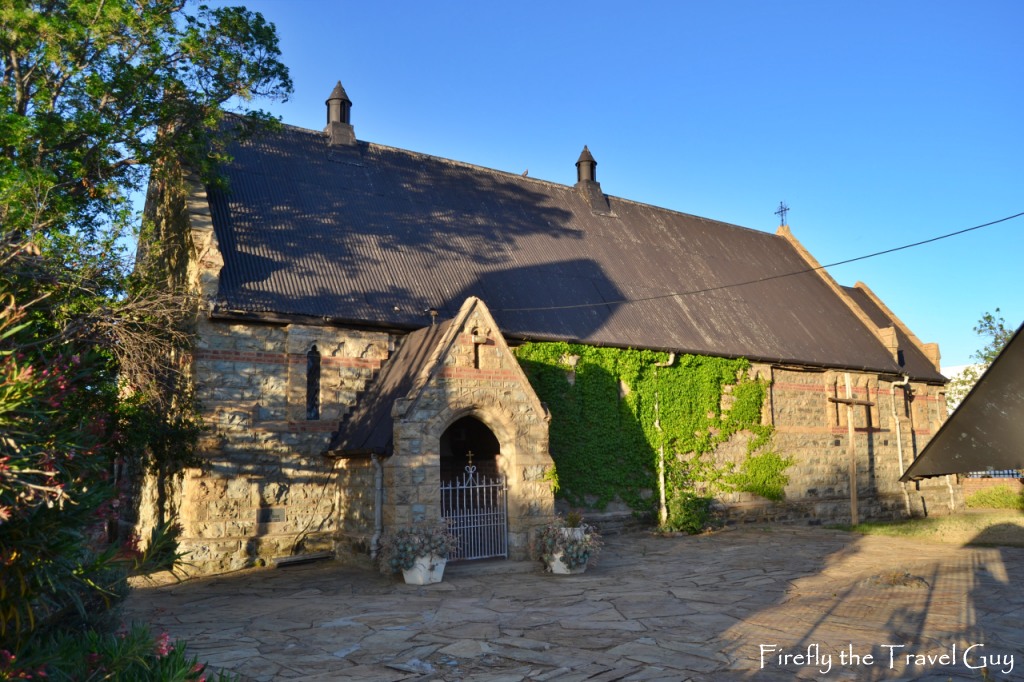
St Barnabas Anglican Church
The foundation stone was laid on 18th March 1896, and seven months later, on the 28th October 1896, the church was consecrated by Bishop Webb. The sanctuary, chancel and vestry were added in 1940. These handsome additions to the picturesque stone church were erected by Mr W C Turpin, who had been associated with the church from its earliest days. The additions were done as a memorial to those who fell in the First World War, among whom was his brother, Lt C Turpin. The plaque reads: “This chancel and vestry were erected by W Conyngham Turpin, Esq; to the Glory of God and in memory of his brother Lieut. C Turpin, and those who fell in the Great War 1914 – 1918”
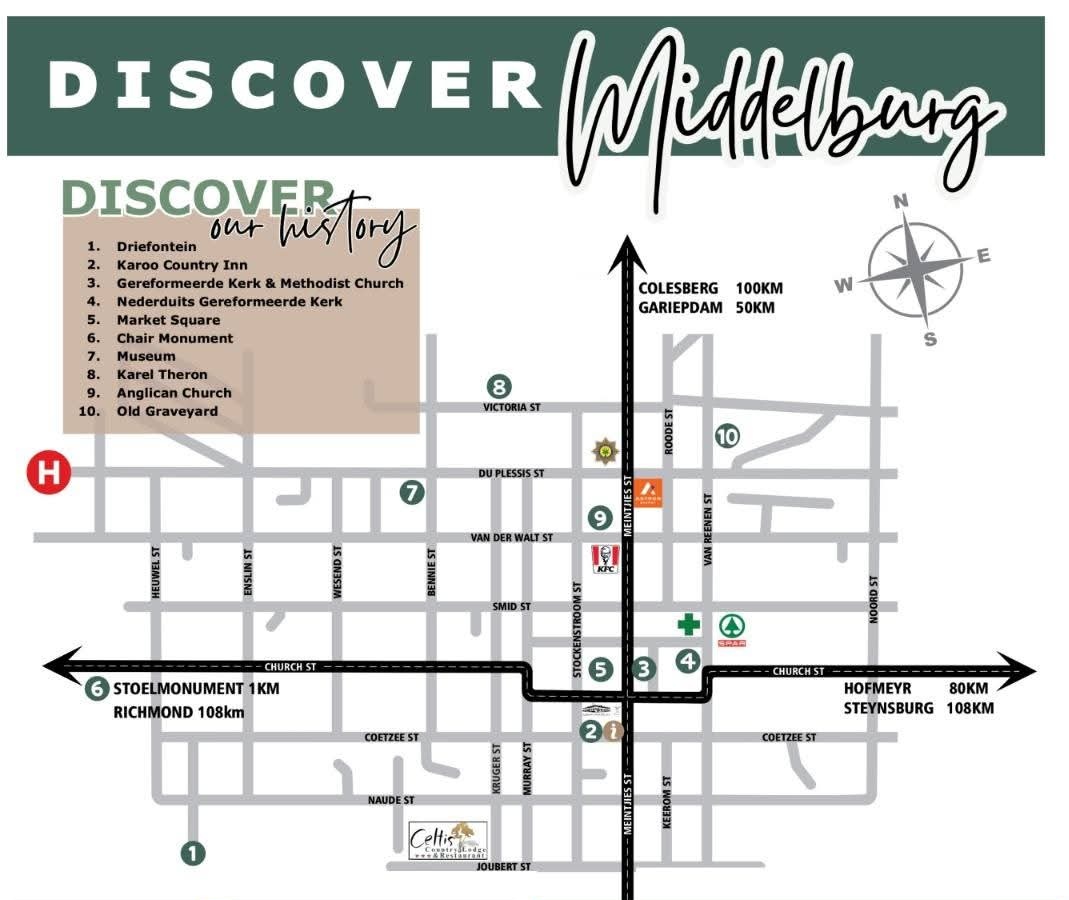
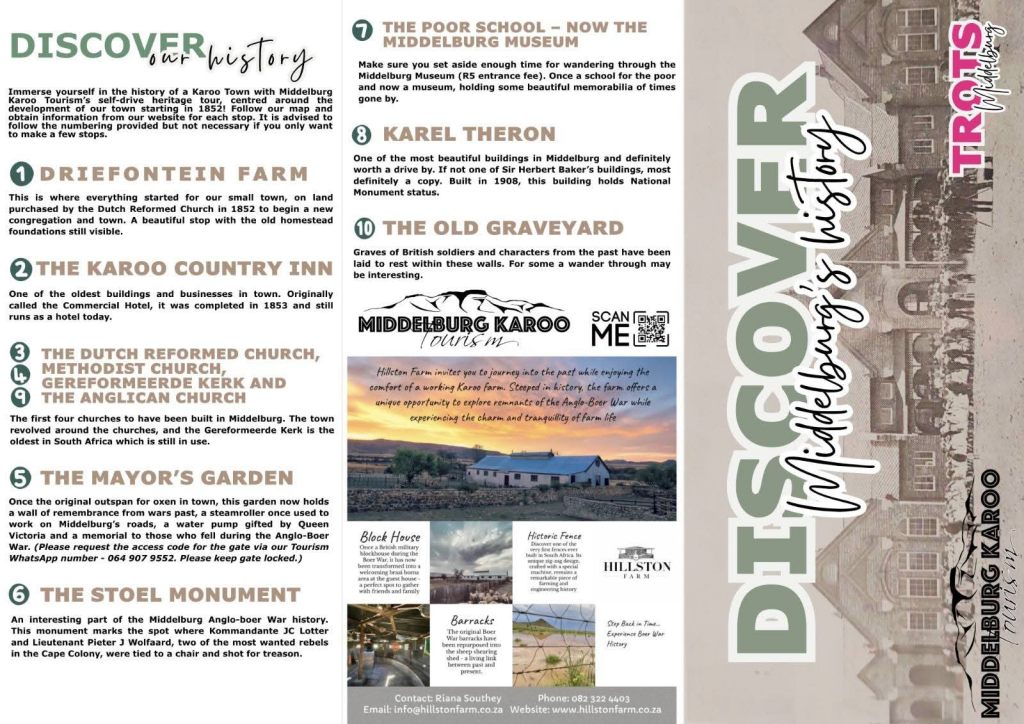
St Barnabas is stop nine on the Middelburg Karoo Tourism self-drive heritage tour
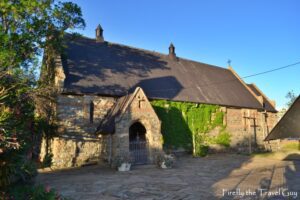
.
Karel Theron Primary School
In 1880, Mr David Wilcocks started a private school with 10 children. By the end of the year, he had 100 children. His sister, Miemie Wilcocks helped him, and they hired the town hall for R1 per month as their own facilities were too small. They taught English, Dutch, Maths, Geography and European History. Morning lessons were done in English, and the afternoon lessons were done in Afrikaans. It was called the Middelburg School.
In 1882 it became a government school, and a building was provided (where the magisterial buildings are today). This was used until 1908 when it was changed to government offices. In 1886 Mr Willcocks left to study to become a priest, and his post was taken over for a short while by Mr Pretorius.
Karel Theron took over as principal in 1887. Theron worked unbelievably hard and gave extra lessons every afternoon, building the school up. The school became known as “Middelburg Public School” and learners had to pay school fees. He never took time off and only occasionally he would saddle up a horse, call his dog and disappear into the veld for the day.
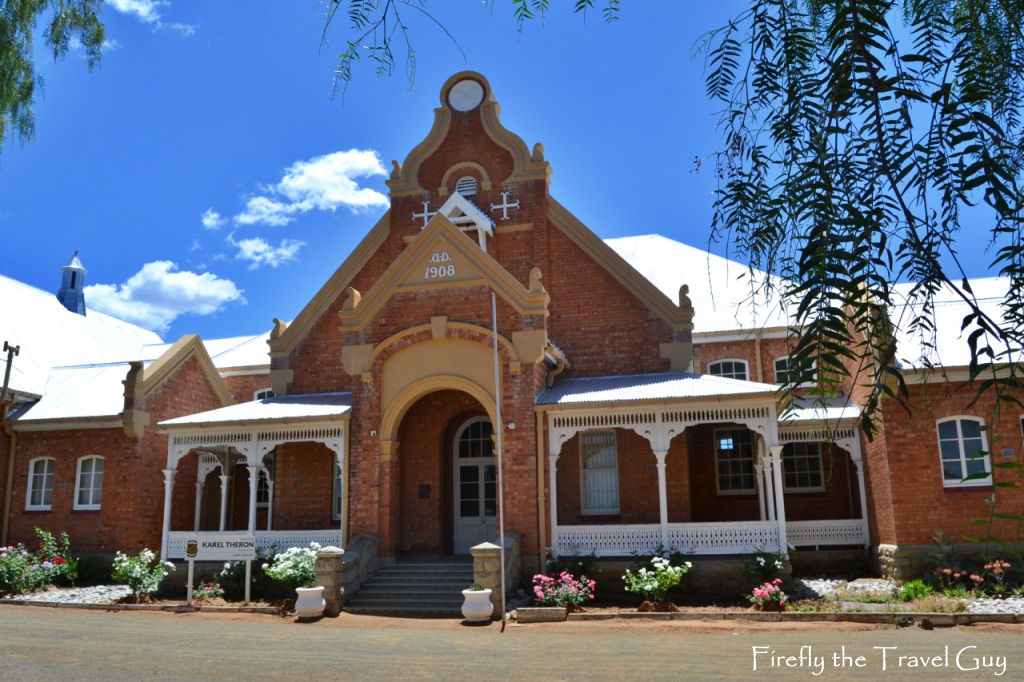
The number of students kept increasing and the school was too small. It was then they built the Karel Theron School in 1908. By 1920 Karel Theron had 762 students and was the biggest school in the Cape. Theron was the principal for 35 years. The building was declared a national monument in 1992.
Karel Theron Primary is stop eight on the Middelburg Karoo Tourism self-drive heritage tour
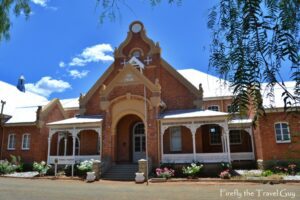
.
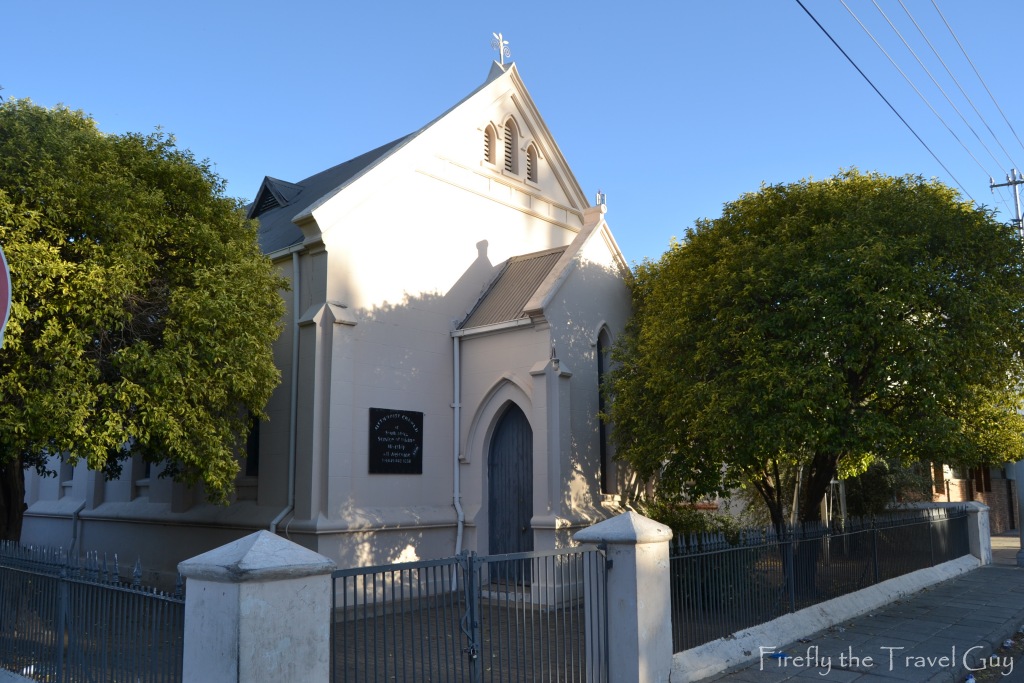
Methodist Church
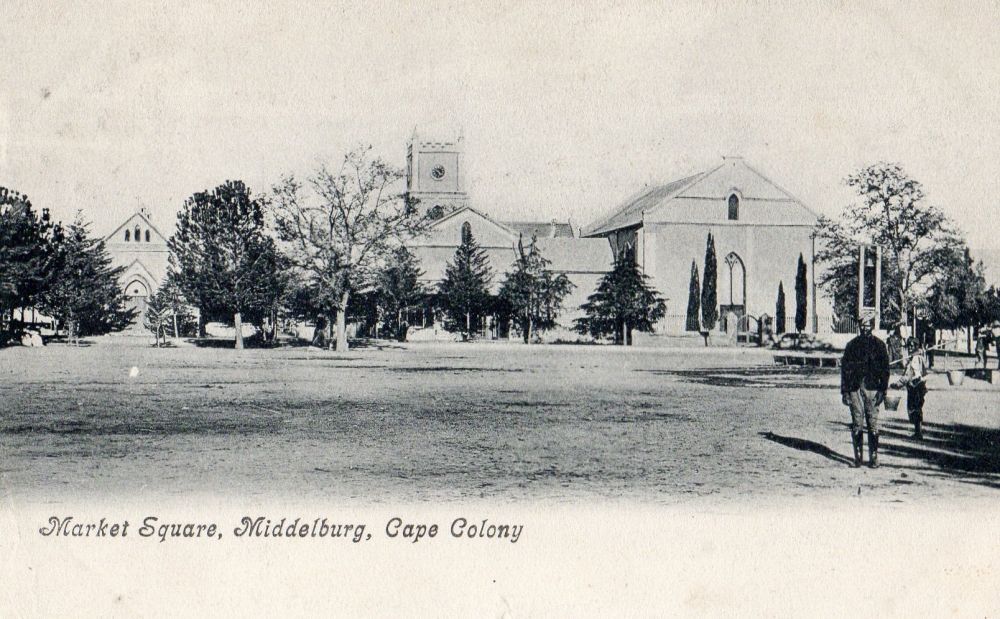
The Methodist Church is located next to the Gereformeerde Kerk on the main street. They were built on the outspan, later to become Market Square. The land for the Methodist Church was donated by the Dutch Reformed Church in 1891. Before the Methodist church was built, Middelburg was considered an “outstation” of the Methodist Cradock Circuit. The then Rev John Edwards, would spend days on a circuit, traveling on horseback from one outstation to another where he would visit and preach. The Methodist Church is often referred to as the Weslyan Church after Wesley Collett. This name appears on one of the foundation stones and was due to the long association the Collett family had with Middelburg Methodist Church.
The Methodist Church is stop three on the Middelburg Karoo Tourism self-drive heritage tour
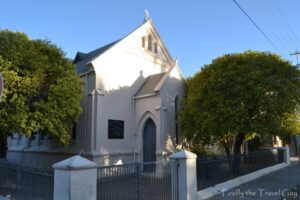
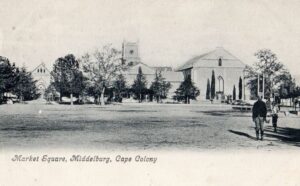
.
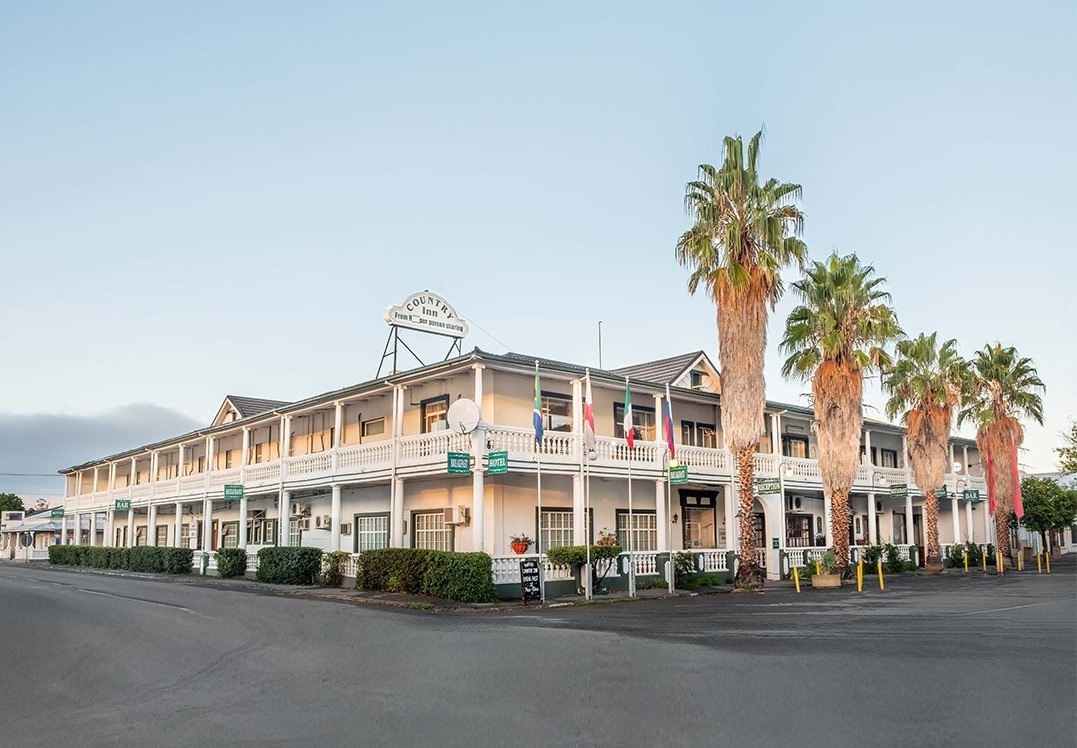
The Karoo Country Inn
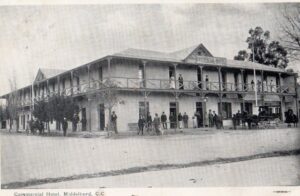
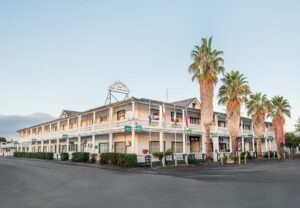
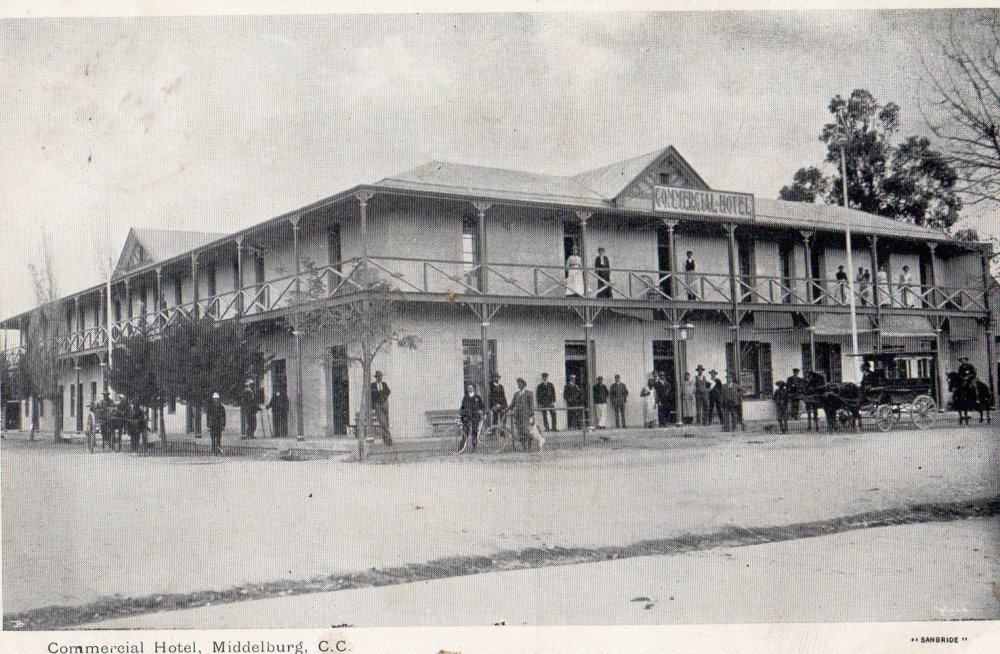
The Karoo Country Inn is one of the oldest buildings and businesses in Middelburg. It is 170 years old and has had a total of 10 owners over this time. James Smith was the first owner and built the Commercial Hotel in one year. It opened in 1854.
In the early days the hotel was described as: “a square building encircled by a veranda with a courtyard in the middle from which all the rooms led off. In the centre of this courtyard was a wooden open tread staircase leading to a balcony which went round three sides of the hotel, and off this balcony were the bedrooms. There was no main drainage or anything so modern. The lavatories simply contained a bucket with a seat over, which was emptied every night. All the houses had the same system. A cart (referred to as the dirt cart) came round during the night taking these buckets away and replacing them with clean ones.”
The Karoo Country Inn is stop two on the Middelburg Karoo Tourism self-drive heritage tour