Tafelberg

Description
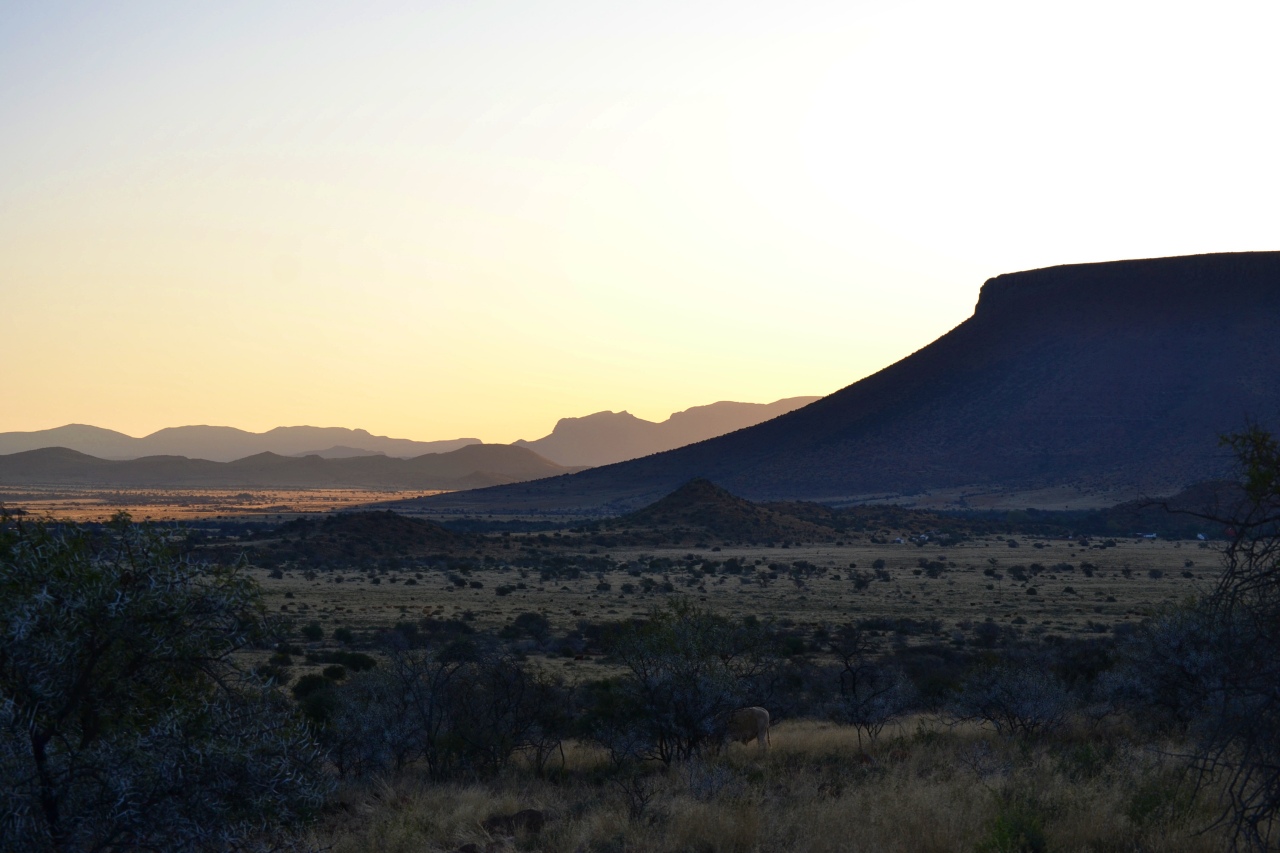
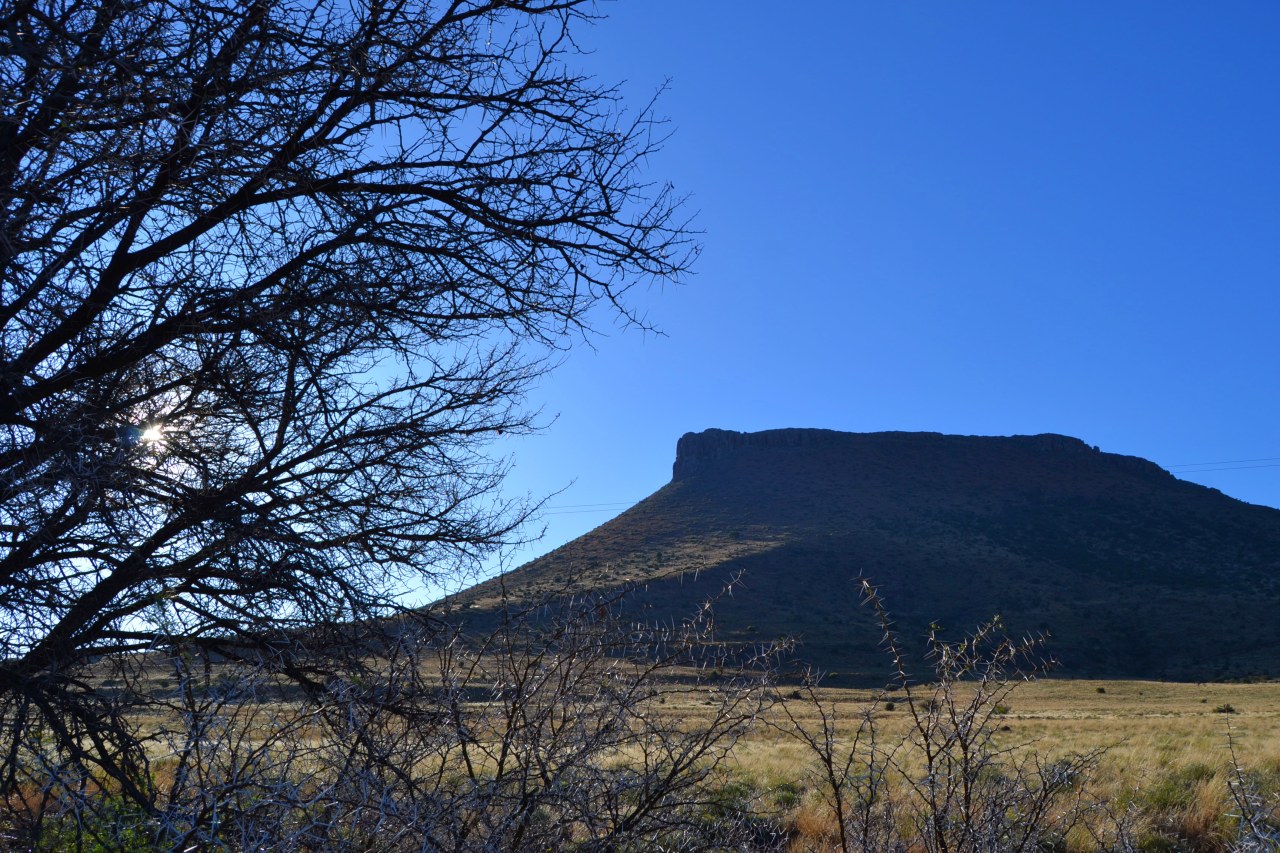
Tafelberg is one of the best known landmarks in the Middelburg district. The flat topped mountain is a striking mesa‑like mountain rising above the flat plains 21km south of Middelburg along the N10 in the direction of Cradock. Its name means literally “Table Mountain” in Afrikaans.
Mesas in the Karoo: Tafelberg’s flat‑top profile is the result of erosion-resistant dolerite forming a cap over softer shales.
Ecology & Habitat
Distinct plant communities: Research shows vegetation on Tafelberg (and adjacent mesas) differs sharply from surrounding plains—with higher rainfall retention and rockier substrate resulting in unique plant species and less overgrazing on the summit and slopes.
Flora blooms: The broader Nama‑Karoo supports spectacular wildflower displays after summer rains, with succulents and shrubs adapted to arid extremes, from snow to scorching heat.
Fauna: While not specific to the mesa, the region harbors a rich diversity of bird, invertebrate and small mammal species with over 120 bird species having been recorded nearby in broader conservancy areas
The architect of the historical homestead on the farm just behind Tafelberg was the internationally well-known Sir Herbert Baker. All the sandstone used came from the farm. “Tafelberg Hall” was established by John Sweet Distin, a Cape politician turned ostrich farmer, in the late 19th century.
Distin advocated the need to divide livestock farms into fenced off stock camps for veld rejuvenation and animal health in the 1860s. He put it before parliament and, in so doing, lost the parliamentary seat he held over the fencing question. Defeated in parliament, Distin headed back to his farm and set about fencing his own farm. If others wouldn’t listen, he would go it alone. At the time, no one wanted to concede that the vast coffers required for fencing were a necessity, until overgrazing and disease forced the government’s hand many years later. The Act regulating the erection and maintenance of dividing fences was passed in 1883. Distin’s ‘first fence’, now a national monument, is still standing taught and strong, tethered to the original sneezewood fencing poles at the foot of a statuesque table-shaped mountain several kilometres outside of Middelburg.
The area is also known for San rock art and fossil deposits.