
History of Somerset East
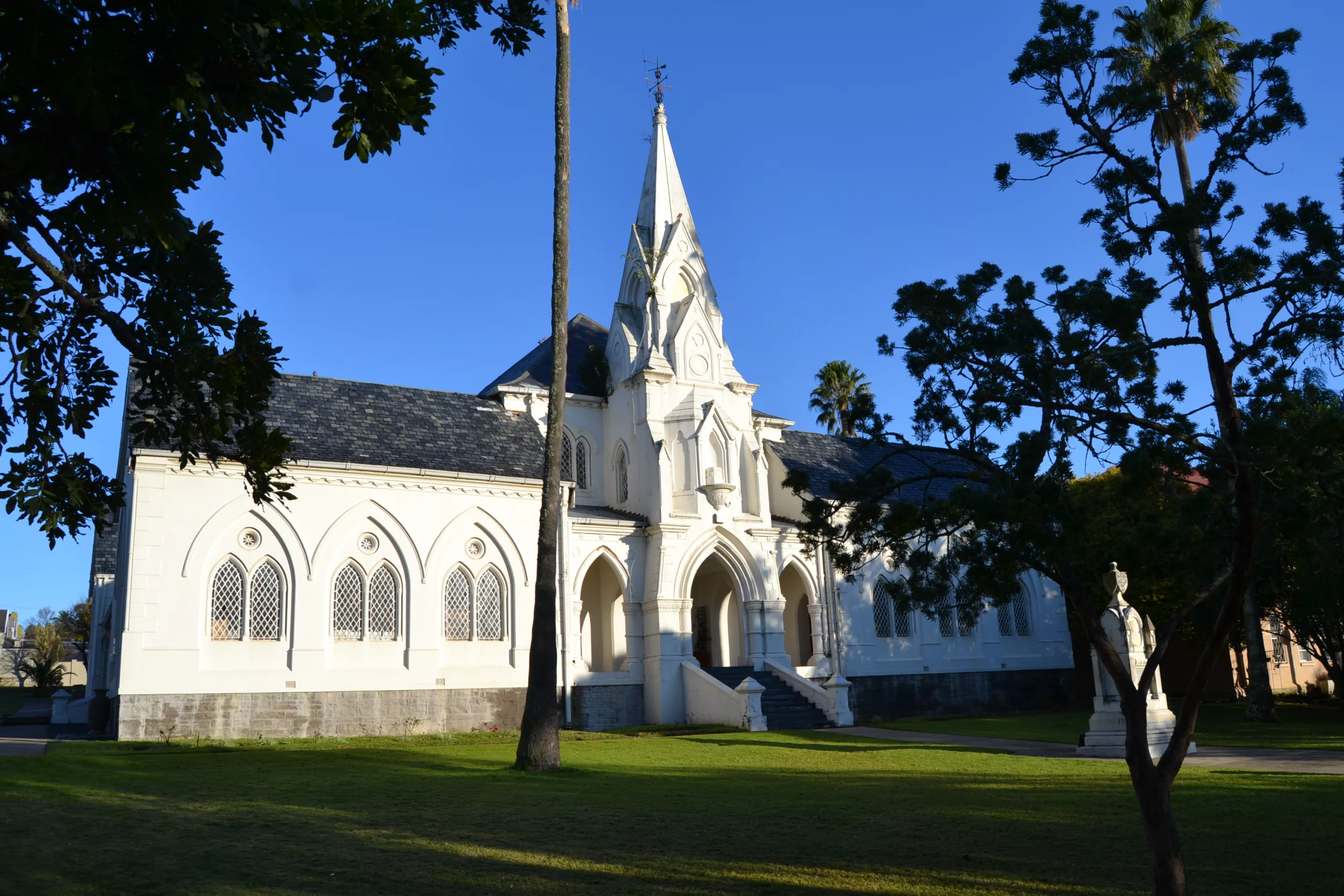
The town of Somerset East has had many names over the years. In about 1689, a Khoikhoi chief named Hintsati lived at a place called Nojoli, the area’s first name. After that it was called Agter Bruintjies Hoogte, Somerset Farm, Somerset, Somerset East, and recently the town was renamed KwaNojoli by the South African ANC government. The town lies at the foot of the impressive Boschberg Mountain, known for its beauty, the fertility of its soil, and the wealth of animal, bird and plant life. Many years ago, the Boschberg Mountain was referred to as the most beautiful mountain in Southern Africa, and many would still agree with this.
The first settler in the area was Willem Prinsloo, who settled in Agter Bruintjies Hoogte under the Boschberg in about 1774. Several early explorers have left written records of their visits to this area: Swedish doctor and botanist Anders Sparrman in 1775, and Robert Gordon in 1777 and 1779. Sparrman stayed with “an old elephant hunter, of the name of Prinsloo”. Prinsloo’s house was near the Bosch River, some 4 km above its junction with the Little Fish River; probably on or near the site of the old stone house wrongly believed to have been Lord Charles Somerset’s hunting Lodge – now 7 and 9 Paulet Street. This house is thought to have been one of the original farmhouses, and to have probably been built by Robert Hart.
Francois le Vaillant, a French ornithologist, arrived at the Cape in 1781, and was in this area by the end of the year, collecting specimens, mainly of birds. He discovered and named the Red-chested cuckoo, the Piet-my-vrou, near where Somerset East now stands, and wrote a lively account of his travels in French.
Naturalist Robert Burchell, who left the Cape in 1810 to make a journey of 4,000 miles, reached Agter Bruintjies Hoogte, and spent many months collecting and cataloguing the great wealth of plant life he found on the Boschberg. Like Sparrman, he believed the story that there were unicorns to be found on the mountain.
Prinsloo’s original farm was purchased by the government for 270 pounds in 1814, and on January 1st 1815, a party led by botanist Dr Joseph Mackrill moved in. The settlement was named Somerset Farm after Lord Charles Somerset, Governor of the Cape. Somerset Farm was to act as an experimental farm and military post to improve stockbreeding in the Cape Colony and provide produce for the British soldiers at the Frontier. Mackrill was succeeded by Captain Robert Hart, and Hart, using improved methods and strict supervision, was soon able to send a steady supply of food, fodder and horses to the army posts on the Frontier, and to the Cape.
In 1825 the project was cancelled as it was cheaper and easier to get provisions via contracts from farmers, than it was to cultivate it. The English settlers in the Albany district welcomed the closure of the Farm, as they felt that the Farm practically had a monopoly on the market at the time. The farm was divided into 94 erven and sold by public auction. Robert Hart moved to land he had been granted on the Naude’s River and named it Glen Avon.
A new Drostdy was declared, and the town of Somerset was established. The “East” suffix was only added 30 years later in order to differentiate it from Somerset West in the Western Cape. In the early 19th century, Somerset East was a major center for the wool trade. The town was also home to a number of other industries, including tanning, wagon making, and brickmaking. Somerset East was also a popular stop for travellers on their way to and from the interior of South Africa.
In the years following the Anglo Boer War, Somerset East continued to grow and prosper. The town is now a major commercial center for the Eastern Cape, and it is home to a number of industries, including agriculture, tourism, and manufacturing. Somerset East is also a popular tourist destination, thanks to its scenic location and its rich history.
In March 2023, Somerset East was renamed KwaNojoli, which is the Xhosa name for the area. The name change was met with mixed reactions, with some people welcoming it as a way to acknowledge the town’s African heritage, while others felt that it was unnecessary and disrespectful to the town’s history.
Follow Us
Follow us on our Karoo adventures.
Subscribe
